




Expo
view channel
view channel
view channel
view channel
view channel
view channel
view channel
view channel
AICritical Care
Patient CareMedical ImagingHealth ITPoint of CareBusiness
Events
Webinars

- Routine Opt-Out Screening Helps Increase Detection of Adolescent STIs
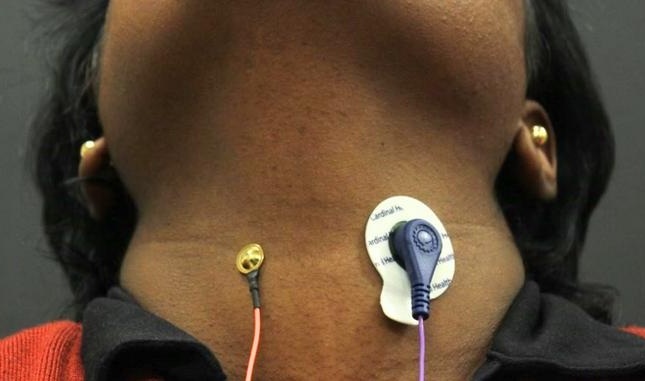
- Moldable Sensor Could Support Neck Muscle Monitoring and Rehabilitation
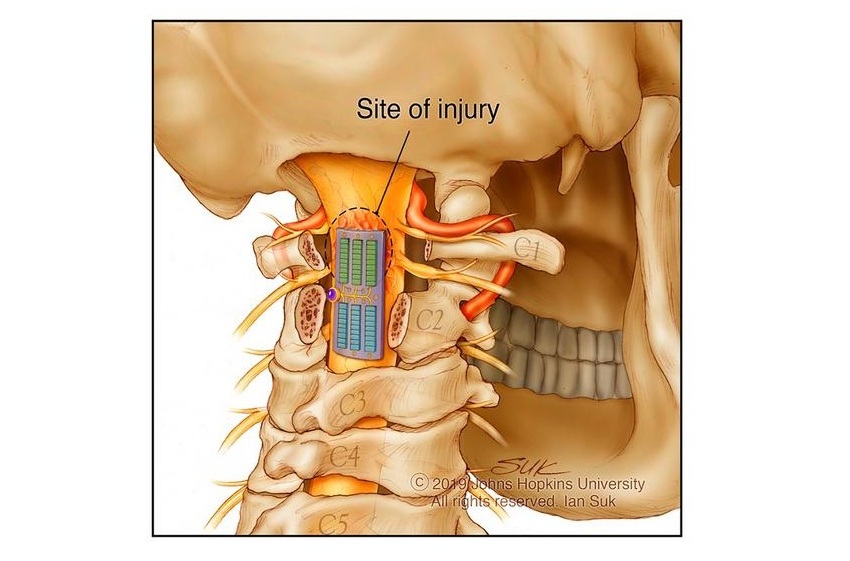
- Ultrasound Implant Could Help Monitor Spinal Cord Recovery After Surgery
- Paper-Based Patch Integrates Sweat Sensors and Drug-Delivery Microneedles
- Circuit-Free Smart Patch Uses Smartphone Camera to Monitor Pulse and Vessel Stiffness
- First U.S. Procedures Successfully Completed With New GERD Implant
- Study Explores 4DCT Ventilation for Preoperative Assessment in Early Lung Cancer
- Dual-Technique Approach Improves Stent Expansion in Calcified Coronary Lesions
- FDA Approves First Transcatheter Device for Paravalvular Leak Closure
- Smaller Surgical Margins May Help Protect Healthy Tissue in Young Sarcoma Patients
- Video-Based Support Helps Older Adults Clarify Kidney Disease Treatment Preferences
- Expert Review Outlines Diagnosis and Treatment of Recurrent Catheter Infections
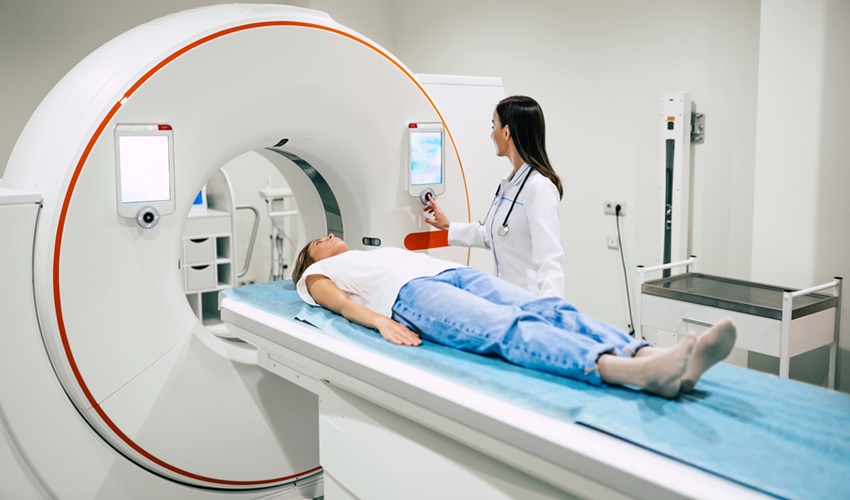
- Total-Body PET/CT Scanner Enables One-Minute Diagnostic-Quality Cancer Imaging
- AI Platform Personalizes Support Between Visits for Cancer Survivors
- At-Home Neuromodulation Shows Promise in Selected Patients With Hypertension
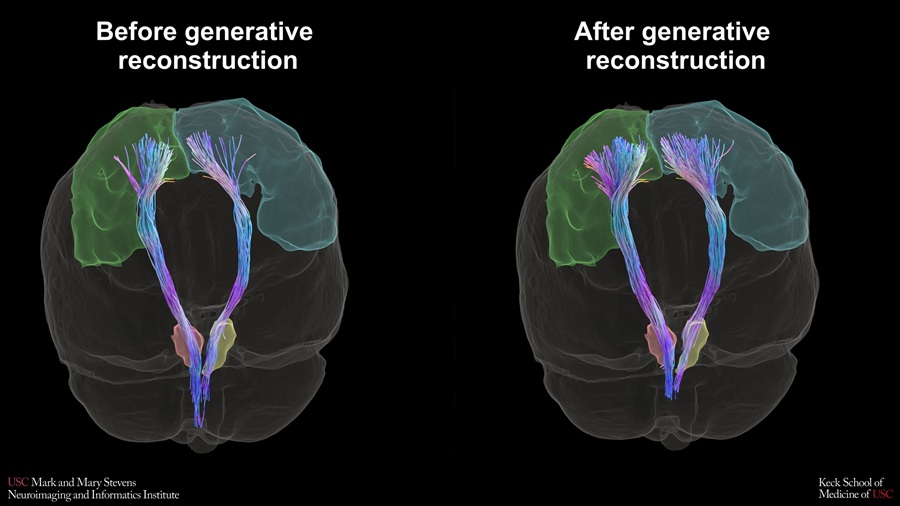
- AI Tool Reconstructs Missing Brain Connectivity Data
- Targeted ImmunoPET Scan Detects Multiple Myeloma Missed by Standard PET/CT
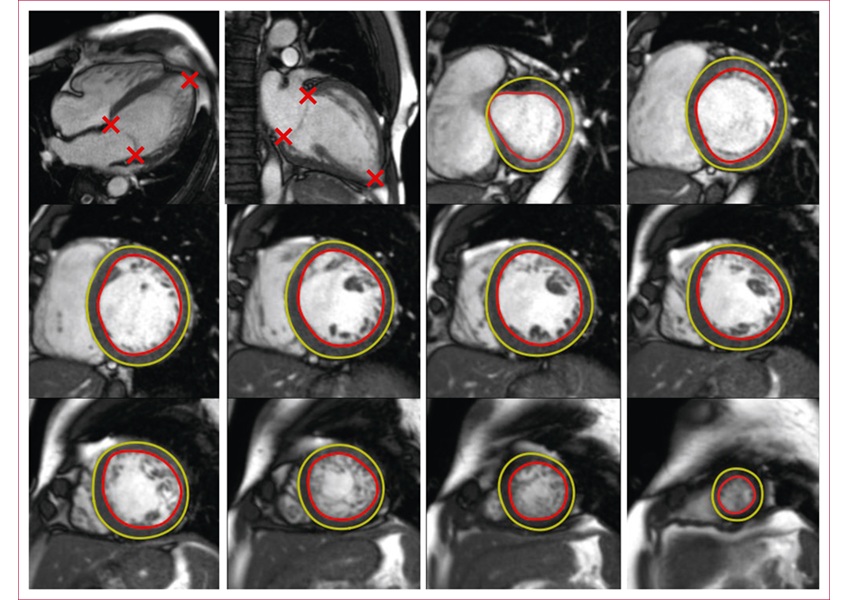
- Cardiac MRI AI Tool Improves Mortality Risk Prediction
- Imaging Biomarker Links Breast Tumor Heterogeneity to Targeted Therapy Response
- AI-Guided Echocardiography Enables Mobile Cardiac Imaging in Rural Communities
- Steris to Expand Surgical Safety Portfolio With $2.1 Billion Xodus Medical Deal
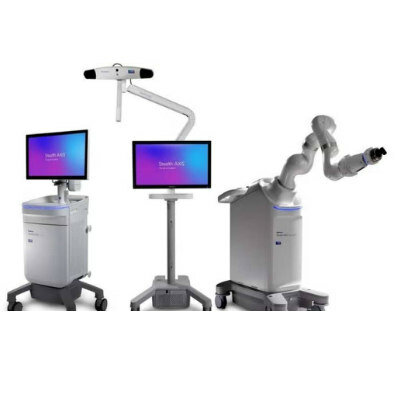
- Stryker Enters Soft-Tissue Robotics Through Strategic Alliance With CMR Surgical
- Terumo Neuro Acquisition Advances Liquid Embolic Technology for Chronic Subdural Hematoma
- World Health Expo to Showcase Trillion-Dollar Growth Across Pharma, Biotech, Longevity and Wellness at 2027 Edition
- Medtronic Receives FDA Clearance for Vessel-Sealing Instrument for Robotic Surgery
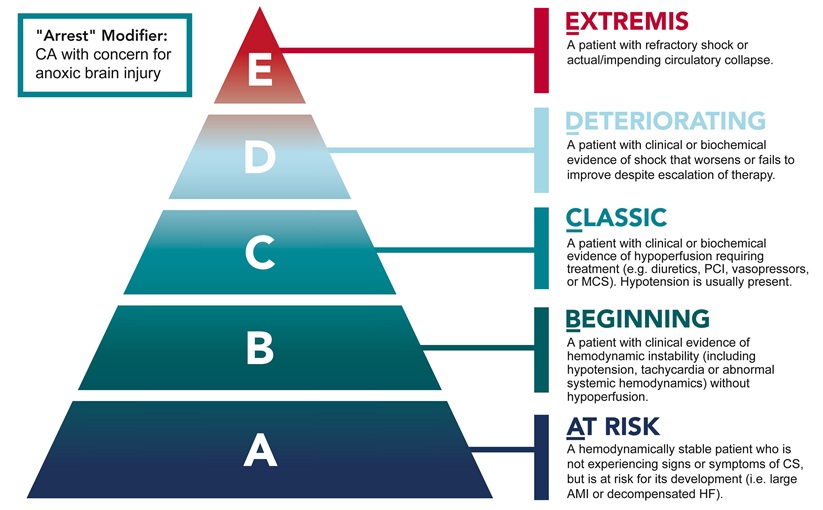
- EHR Alerts Support Dosing, Sedation, and Shock Recognition in Cardiac Care
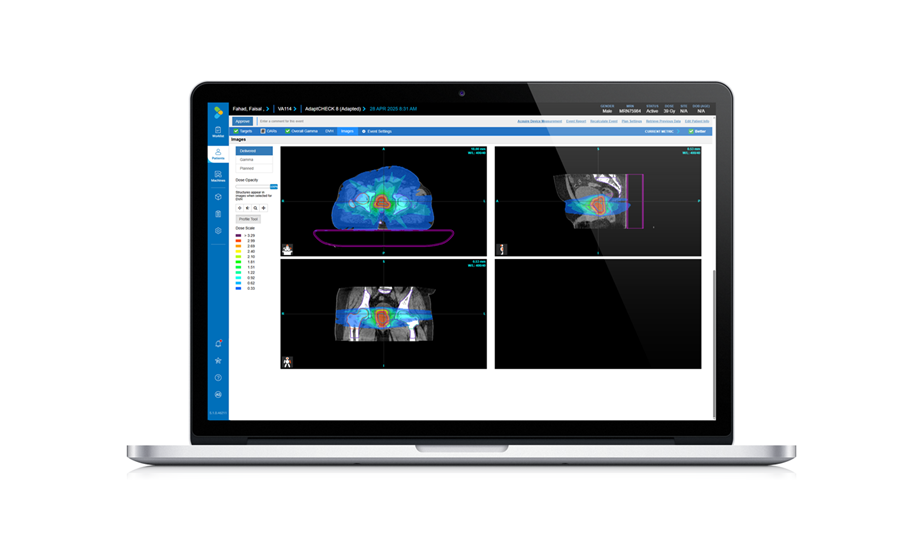
- Adaptive Radiation QA Software Gains Validation for NeoArc Treatments
- Healthcare Database Helps Close Long COVID Surveillance Gap
- New Tablet Platform Extends Stroke Neurorehabilitation Beyond the Clinic
- Smartphone App Improves Blood Pressure Control in Hypertension
- AI Tool Predicts Hypertensive Crisis Up to 72 Hours Ahead
- AI Tool Predicts Suicide Risk in Emergency Departments from Routine Data
- AI Chatbot Helps Women Identify Heart Disease Risks and Symptoms
- AI Tool Prioritizes Peer Referrals to Expand HIV Testing Access
- Explainable AI Dermoscopy Tool Supports Risk Assessment for Skin Cancer
- Continuous Glucose Monitoring Identifies Cardiometabolic Risk in Adults Without Diabetes
- Microneedle Patch Enables At-Home Monitoring of Acute Kidney Injury
- Ultrathin Metasurface Could Bring Quantitative Phase Imaging to Portable Devices
- Rapid Onsite Testing Reduces Emergency Department Transfers in Long-Term Care
- New Brain Ultrasound Platform Enables Bedside Postoperative Imaging
 Expo
- Routine Opt-Out Screening Helps Increase Detection of Adolescent STIs
- Moldable Sensor Could Support Neck Muscle Monitoring and Rehabilitation
- Ultrasound Implant Could Help Monitor Spinal Cord Recovery After Surgery
- Paper-Based Patch Integrates Sweat Sensors and Drug-Delivery Microneedles
- Circuit-Free Smart Patch Uses Smartphone Camera to Monitor Pulse and Vessel Stiffness
- First U.S. Procedures Successfully Completed With New GERD Implant
- Study Explores 4DCT Ventilation for Preoperative Assessment in Early Lung Cancer
- Dual-Technique Approach Improves Stent Expansion in Calcified Coronary Lesions
- FDA Approves First Transcatheter Device for Paravalvular Leak Closure
- Smaller Surgical Margins May Help Protect Healthy Tissue in Young Sarcoma Patients
- Video-Based Support Helps Older Adults Clarify Kidney Disease Treatment Preferences
- Expert Review Outlines Diagnosis and Treatment of Recurrent Catheter Infections
- Total-Body PET/CT Scanner Enables One-Minute Diagnostic-Quality Cancer Imaging
- AI Platform Personalizes Support Between Visits for Cancer Survivors
- At-Home Neuromodulation Shows Promise in Selected Patients With Hypertension
- AI Tool Reconstructs Missing Brain Connectivity Data
- Targeted ImmunoPET Scan Detects Multiple Myeloma Missed by Standard PET/CT
- Cardiac MRI AI Tool Improves Mortality Risk Prediction
- Imaging Biomarker Links Breast Tumor Heterogeneity to Targeted Therapy Response
- AI-Guided Echocardiography Enables Mobile Cardiac Imaging in Rural Communities
- Steris to Expand Surgical Safety Portfolio With $2.1 Billion Xodus Medical Deal
- Stryker Enters Soft-Tissue Robotics Through Strategic Alliance With CMR Surgical
- Terumo Neuro Acquisition Advances Liquid Embolic Technology for Chronic Subdural Hematoma
- World Health Expo to Showcase Trillion-Dollar Growth Across Pharma, Biotech, Longevity and Wellness at 2027 Edition
- Medtronic Receives FDA Clearance for Vessel-Sealing Instrument for Robotic Surgery
- EHR Alerts Support Dosing, Sedation, and Shock Recognition in Cardiac Care
- Adaptive Radiation QA Software Gains Validation for NeoArc Treatments
- Healthcare Database Helps Close Long COVID Surveillance Gap
- New Tablet Platform Extends Stroke Neurorehabilitation Beyond the Clinic
- Smartphone App Improves Blood Pressure Control in Hypertension
- AI Tool Predicts Hypertensive Crisis Up to 72 Hours Ahead
- AI Tool Predicts Suicide Risk in Emergency Departments from Routine Data
- AI Chatbot Helps Women Identify Heart Disease Risks and Symptoms
- AI Tool Prioritizes Peer Referrals to Expand HIV Testing Access
- Explainable AI Dermoscopy Tool Supports Risk Assessment for Skin Cancer
- Continuous Glucose Monitoring Identifies Cardiometabolic Risk in Adults Without Diabetes
- Microneedle Patch Enables At-Home Monitoring of Acute Kidney Injury
- Ultrathin Metasurface Could Bring Quantitative Phase Imaging to Portable Devices
- Rapid Onsite Testing Reduces Emergency Department Transfers in Long-Term Care
- New Brain Ultrasound Platform Enables Bedside Postoperative Imaging
































 Client Login