





Expo
view channel
view channel
view channel
view channel
view channel
view channel
view channel
view channel
AICritical CareSurgical TechniquesPatient CareMedical ImagingHealth ITPoint of Care
Events
Webinars

- AI Tool Combining ECG and Blood Tests Reduces Unnecessary Heart Transplant Biopsies
- Deep Brain Stimulation Window May Matter for Parkinson’s Patients With GBA1 Variants
- FDA-Approved App Enables Pulmonary Pressure Monitoring and Medication Guidance in Heart Failure
- Minimally Invasive Ultrasound-Guided Procedure Eases Carpal Tunnel Symptoms
- Standardized Scoring Tool Supports ICU Discharge Decisions
- Matrix-Based Skin Substitute Improves Closure of Diabetic Foot Ulcers
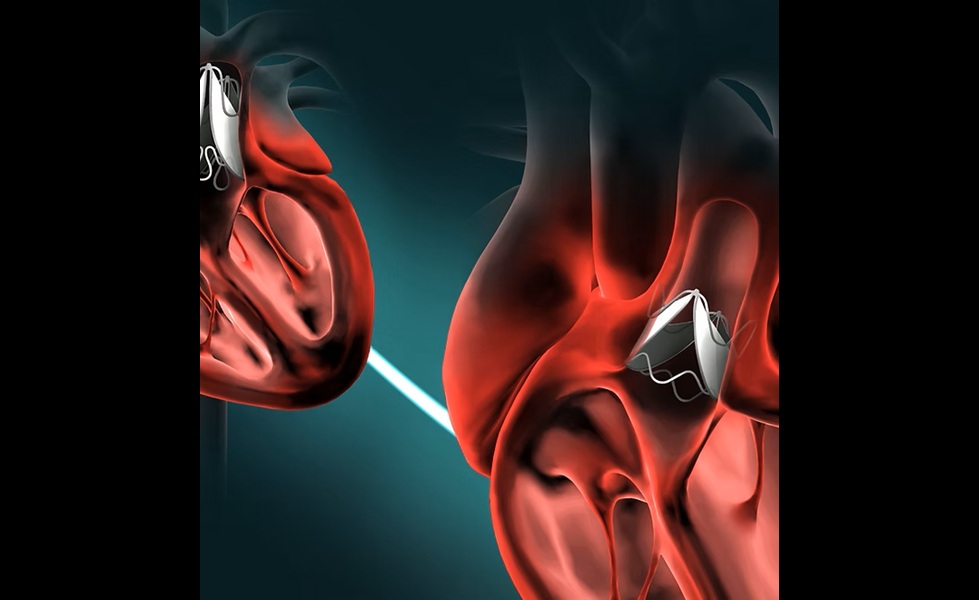
- New FDA-Approved Pediatric Pulmonary Valve Can Expand as Children Grow
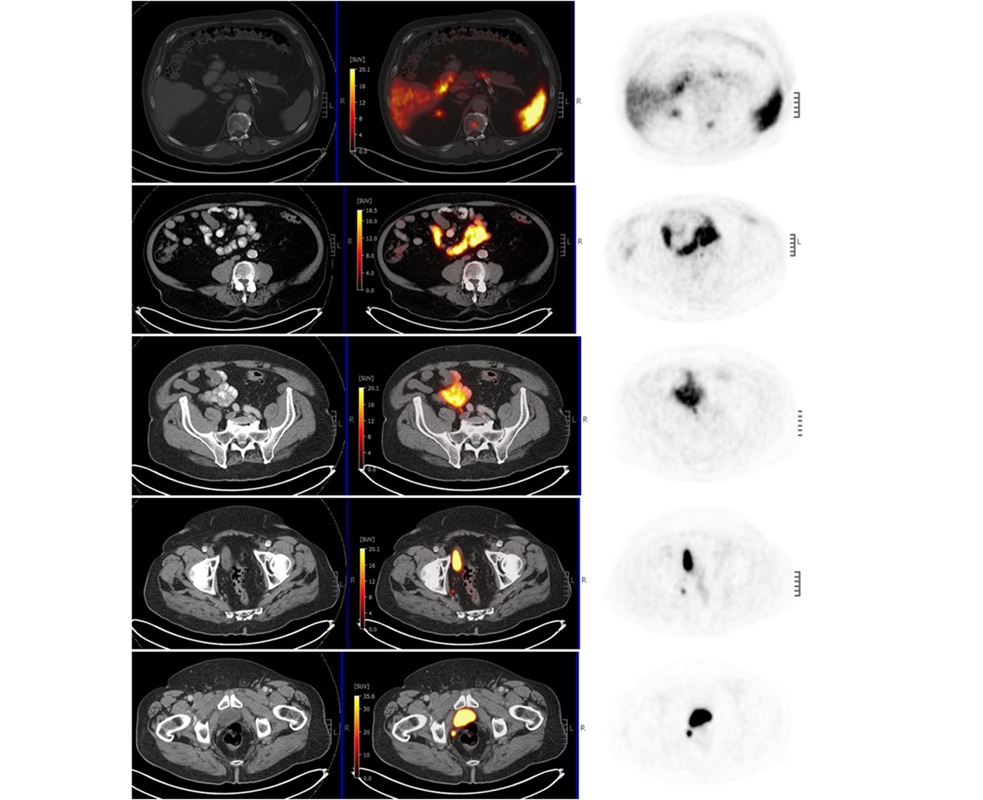
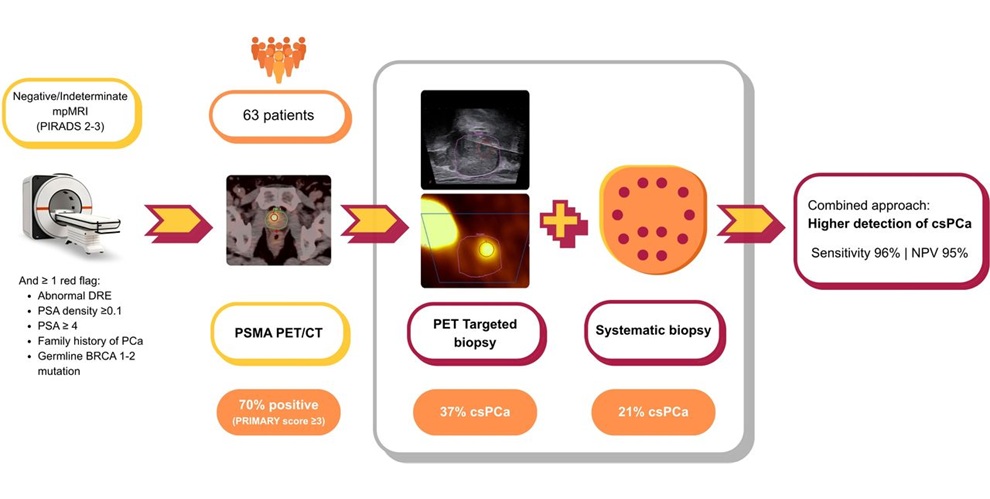
- PSMA PET/CT Imaging Guides Treatment Selection in Recurrent Prostate Cancer
- Magnetically Guided Capsule Enables Targeted Small Intestine Microbiome Sampling
- Injectable Foam Dressing Conforms to Deep Traumatic Wounds and Inhibits Bacteria
- At-Home Neuromodulation Shows Promise in Selected Patients With Hypertension
- EHR Model Flags High-Risk Periods in Patients with Metastatic Breast Cancer
- Virtual Reality Helps Claustrophobic Patients Complete Cardiac PET/CT Scans
- Weighted Blankets Reduce Anxiety in Hospitalized Adults
- Multicenter Study Quantifies Delays in Care for Emergency Department Boarders
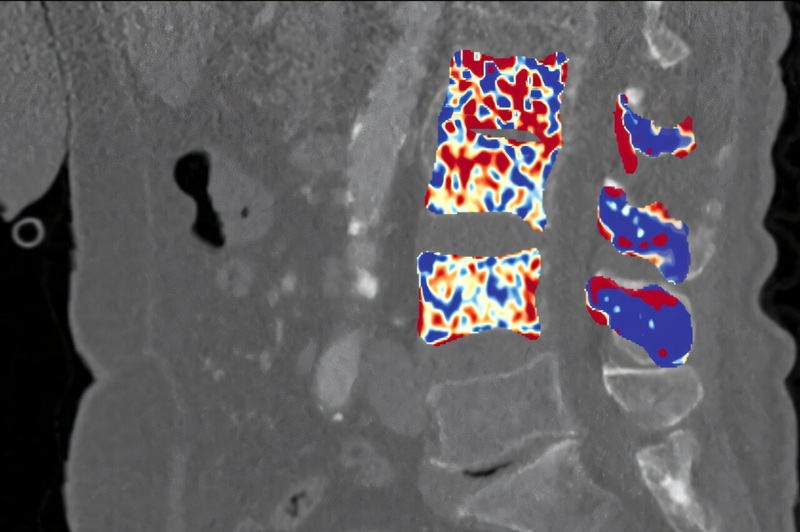
- AI Software Detects Osteoporosis from Routine CT Scans
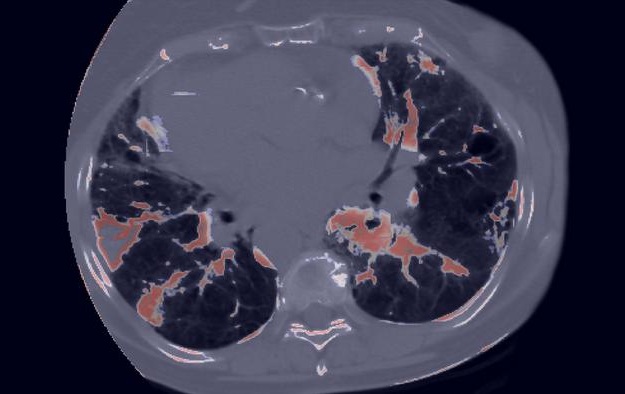
- AI Model Uses Pretreatment CT Scans to Predict Immunotherapy-Related Pneumonitis Risk
- MRI-Based Test Speeds Multiple Sclerosis Diagnosis and Reduces Lumbar Punctures
- AI Tool Improves Early Detection of Silicosis and Black Lung on X-Rays
- New MRI Approach Captures Rapidly Decaying Tissue Signals
- Medtronic Receives FDA Clearance for Vessel-Sealing Instrument for Robotic Surgery
- Robotic Single-Port System Gains CE Mark for Transvaginal Gynecologic Procedures
- Smartphone-Integrated Epinephrine Auto-Injector Concept Wins Red Dot Design Award
- First U.S. Commercial Cases Demonstrate New Approach to Transseptal Access
- FDA Approval Clears Path for BCI Integration with Personal Computing Devices
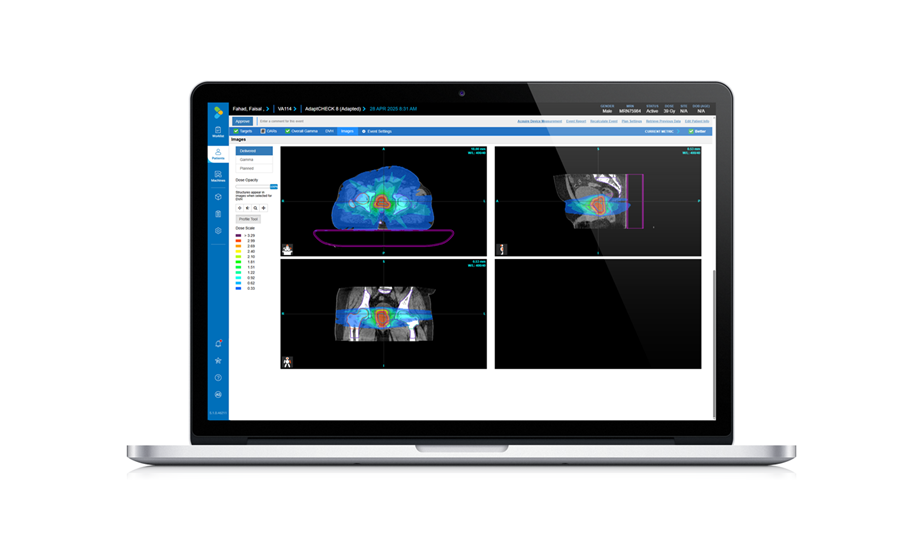
- Adaptive Radiation QA Software Gains Validation for NeoArc Treatments
- Healthcare Database Helps Close Long COVID Surveillance Gap
- New Tablet Platform Extends Stroke Neurorehabilitation Beyond the Clinic
- Smartphone App Improves Blood Pressure Control in Hypertension
- Registry-Driven Digital Outreach Boosts Use of Heart Failure Medicines
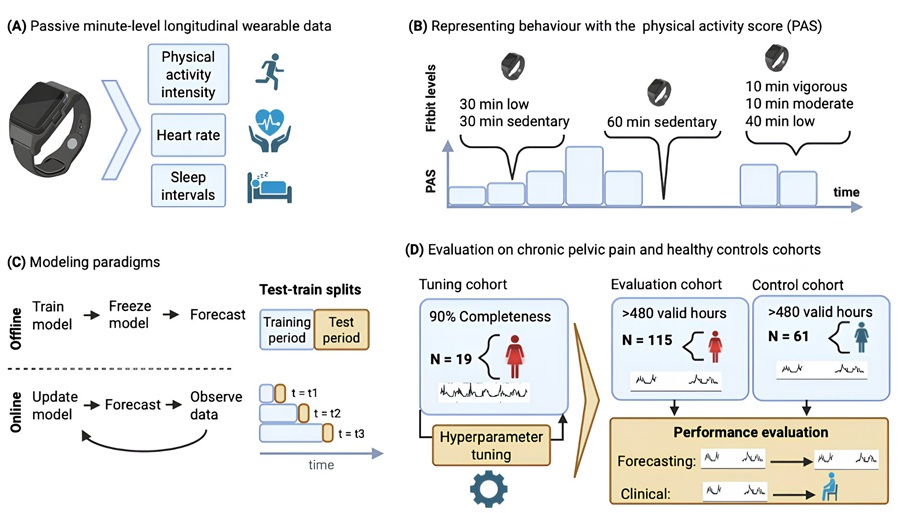
- AI Model Predicts Prolonged Sitting in Chronic Pelvic Pain
- Autonomous AI Helps Streamline Urgent Skin Cancer Referrals
- Virtual Ultrasound Images Support Development of Cardiovascular Imaging Tools
- New Benchmark Highlights Evidence Gaps in AI Responses to Clinical Questions
- Explainable AI Tool Improves Brain Disorder Screening from 4D fMRI
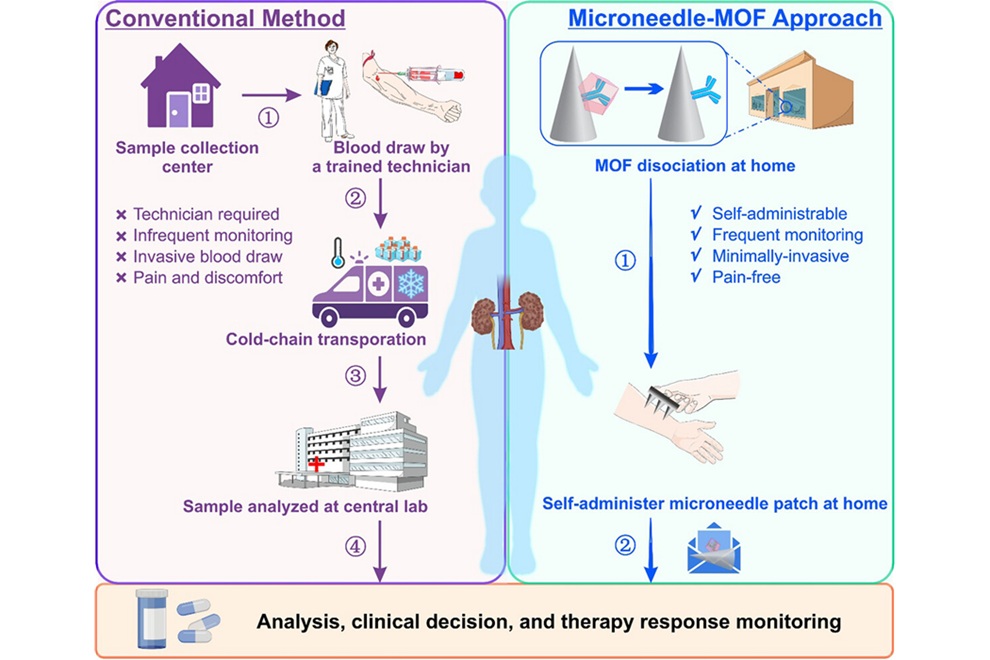
- Microneedle Patch Enables At-Home Monitoring of Acute Kidney Injury
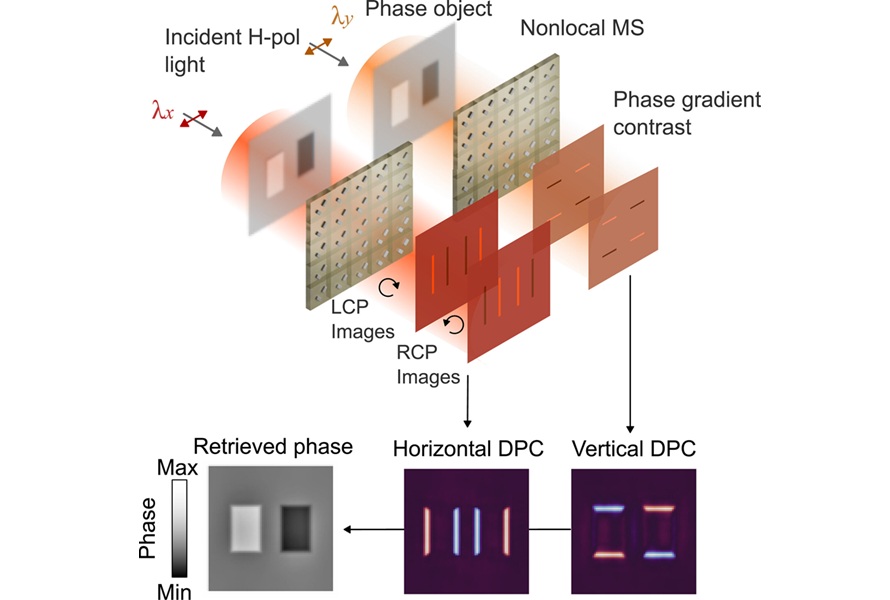
- Ultrathin Metasurface Could Bring Quantitative Phase Imaging to Portable Devices
- Rapid Onsite Testing Reduces Emergency Department Transfers in Long-Term Care
- New Brain Ultrasound Platform Enables Bedside Postoperative Imaging
- Handheld Ultrasound Expands Point-of-Care Imaging Access in Brazil
 Expo
- AI Tool Combining ECG and Blood Tests Reduces Unnecessary Heart Transplant Biopsies
- Deep Brain Stimulation Window May Matter for Parkinson’s Patients With GBA1 Variants
- FDA-Approved App Enables Pulmonary Pressure Monitoring and Medication Guidance in Heart Failure
- Minimally Invasive Ultrasound-Guided Procedure Eases Carpal Tunnel Symptoms
- Standardized Scoring Tool Supports ICU Discharge Decisions
- Matrix-Based Skin Substitute Improves Closure of Diabetic Foot Ulcers
- New FDA-Approved Pediatric Pulmonary Valve Can Expand as Children Grow
- PSMA PET/CT Imaging Guides Treatment Selection in Recurrent Prostate Cancer
- Magnetically Guided Capsule Enables Targeted Small Intestine Microbiome Sampling
- Injectable Foam Dressing Conforms to Deep Traumatic Wounds and Inhibits Bacteria
- At-Home Neuromodulation Shows Promise in Selected Patients With Hypertension
- EHR Model Flags High-Risk Periods in Patients with Metastatic Breast Cancer
- Virtual Reality Helps Claustrophobic Patients Complete Cardiac PET/CT Scans
- Weighted Blankets Reduce Anxiety in Hospitalized Adults
- Multicenter Study Quantifies Delays in Care for Emergency Department Boarders
- AI Software Detects Osteoporosis from Routine CT Scans
- AI Model Uses Pretreatment CT Scans to Predict Immunotherapy-Related Pneumonitis Risk
- MRI-Based Test Speeds Multiple Sclerosis Diagnosis and Reduces Lumbar Punctures
- AI Tool Improves Early Detection of Silicosis and Black Lung on X-Rays
- New MRI Approach Captures Rapidly Decaying Tissue Signals
- Medtronic Receives FDA Clearance for Vessel-Sealing Instrument for Robotic Surgery
- Robotic Single-Port System Gains CE Mark for Transvaginal Gynecologic Procedures
- Smartphone-Integrated Epinephrine Auto-Injector Concept Wins Red Dot Design Award
- First U.S. Commercial Cases Demonstrate New Approach to Transseptal Access
- FDA Approval Clears Path for BCI Integration with Personal Computing Devices
- Adaptive Radiation QA Software Gains Validation for NeoArc Treatments
- Healthcare Database Helps Close Long COVID Surveillance Gap
- New Tablet Platform Extends Stroke Neurorehabilitation Beyond the Clinic
- Smartphone App Improves Blood Pressure Control in Hypertension
- Registry-Driven Digital Outreach Boosts Use of Heart Failure Medicines
- AI Model Predicts Prolonged Sitting in Chronic Pelvic Pain
- Autonomous AI Helps Streamline Urgent Skin Cancer Referrals
- Virtual Ultrasound Images Support Development of Cardiovascular Imaging Tools
- New Benchmark Highlights Evidence Gaps in AI Responses to Clinical Questions
- Explainable AI Tool Improves Brain Disorder Screening from 4D fMRI
- Microneedle Patch Enables At-Home Monitoring of Acute Kidney Injury
- Ultrathin Metasurface Could Bring Quantitative Phase Imaging to Portable Devices
- Rapid Onsite Testing Reduces Emergency Department Transfers in Long-Term Care
- New Brain Ultrasound Platform Enables Bedside Postoperative Imaging
- Handheld Ultrasound Expands Point-of-Care Imaging Access in Brazil


































 Client Login