




Expo
view channel
view channel
view channel
view channel
view channel
view channel
view channel
view channel
AICritical Care
Patient CareMedical ImagingHealth ITPoint of CareBusiness
Events
Webinars

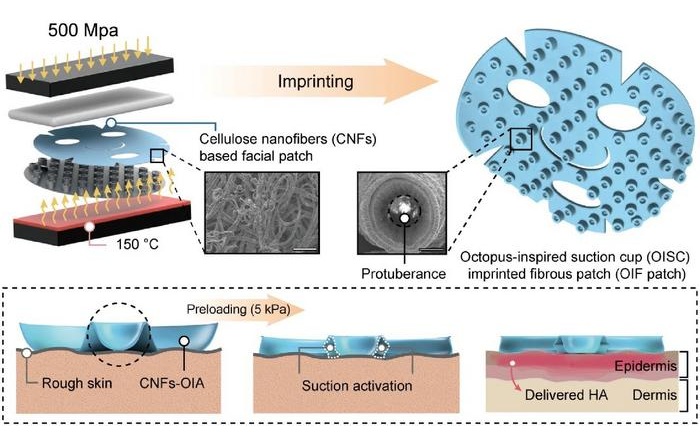
- Octopus-Inspired Patch Improves Adhesion for Transdermal Drug Delivery
- Multimodal AI System Tracks Early Warning Signs of Mental Health Crisis
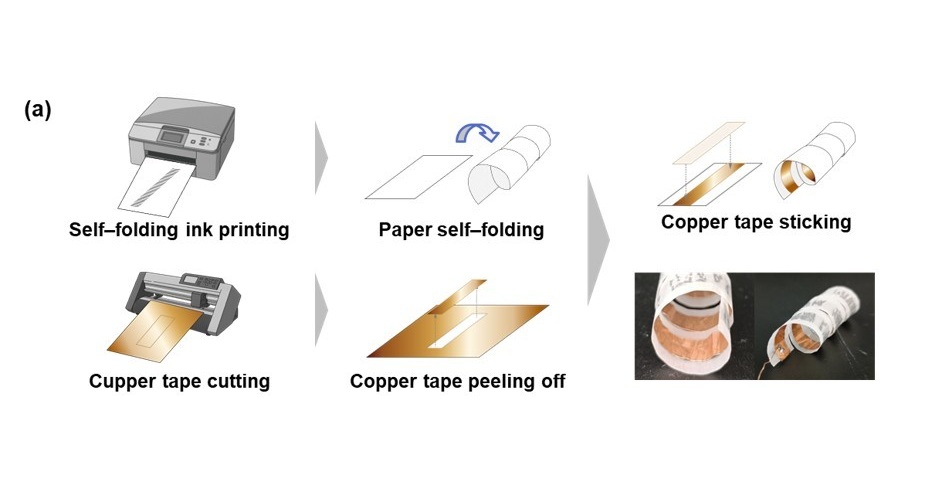
- Self-Folding Paper Sensor Conforms to Body Without Straps or Adhesives
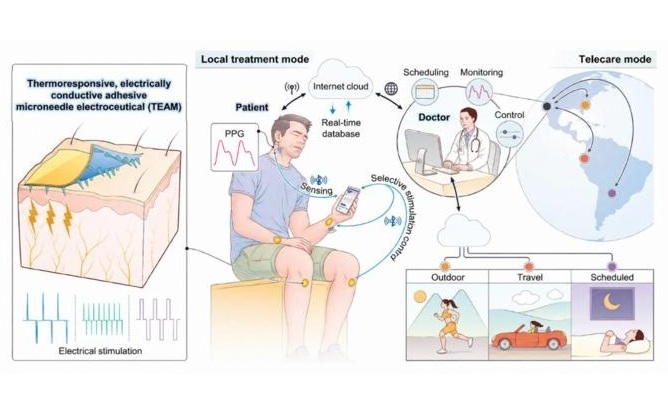
- Patch-Based Therapy Promotes Myelin Repair in Multiple Sclerosis
- Remote Cardiac Device Monitoring System Shows Safety and Cost Benefits
- Integrated Perioperative Care Model Improves Recovery in Older Surgical Patients
- Integrated PET/MRI and EEG Improves Presurgical Lesion Localization in Pediatric Focal Epilepsy
- New Transvaginal Transducer Improves Imaging for Gynecology and Early Obstetrics
- Mobile 3-in-1 Imaging System Advances Intraoperative Navigation
- First Thyroid Cancer-Specific Anxiety Scale Supports Patient-Centered Care
- Weighted Blankets Reduce Anxiety in Hospitalized Adults
- Multicenter Study Quantifies Delays in Care for Emergency Department Boarders
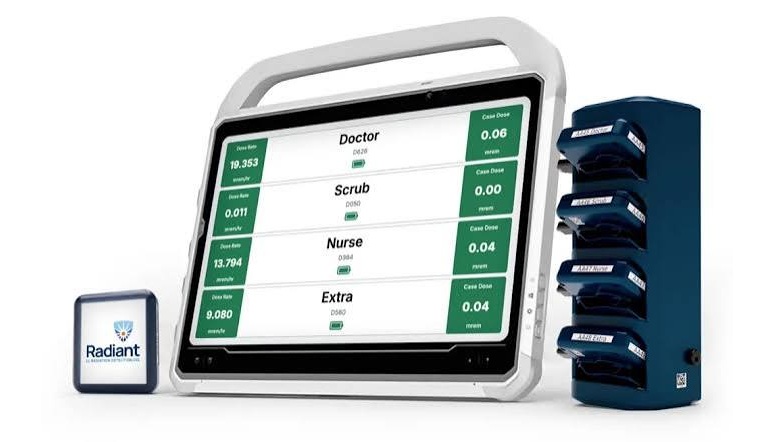
- Real-Time Radiation Monitor Supports Safer Fluoroscopy-Guided Procedures
- FDA-Cleared Finger Cuff Device Enables Home Blood Pressure Monitoring
- AI Avatar Doctor Improves Patient Understanding Before Radiotherapy
- AI Imaging Model Predicts Five-Year Breast Cancer Risk from 3D Mammograms
- Spleen Imaging Signatures May Reveal Hidden Coronary Artery Disease Risk
- FDA Clears Automated Musculoskeletal Ultrasound Platform for Arthritis Assessment
- Automated Platform Converts Super-Resolution Ultrasound into Vascular Biomarkers
- Targeted PET/MRI Improves Detection and Preoperative Mapping of Endometriosis
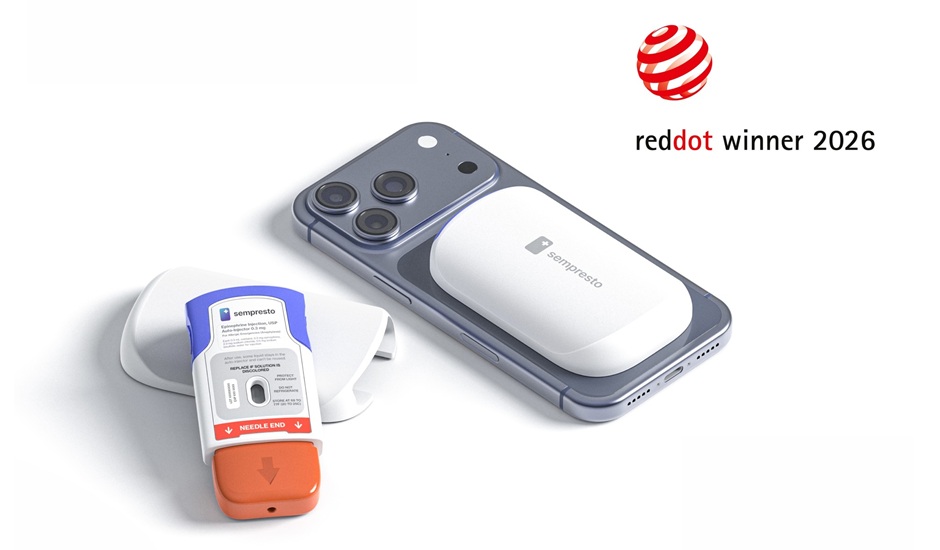
- Smartphone-Integrated Epinephrine Auto-Injector Concept Wins Red Dot Design Award
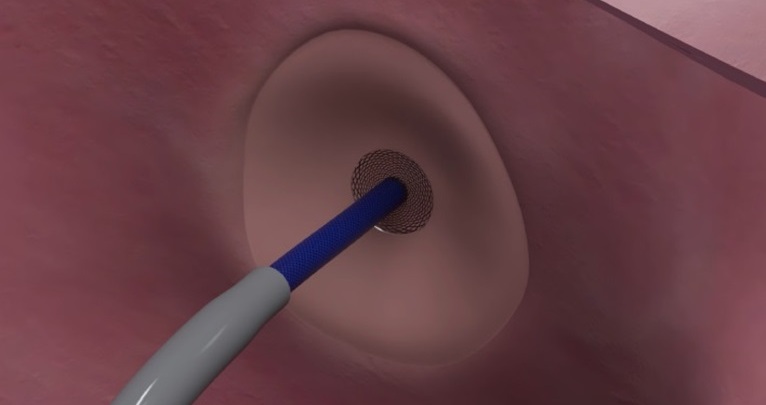
- First U.S. Commercial Cases Demonstrate New Approach to Transseptal Access
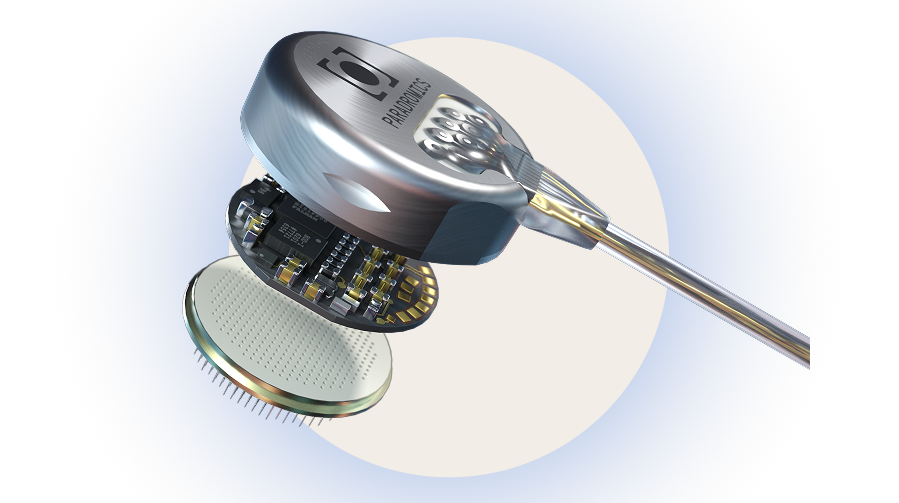
- FDA Approval Clears Path for BCI Integration with Personal Computing Devices
- Partnership Advances AI Tool for Predicting Malignant Cerebral Edema
- Philips and Imricor Collaboration Advances MRI-Guided Cardiac Procedures
- Nurse-Coordinated Care Model Improves Heart Failure Outcomes
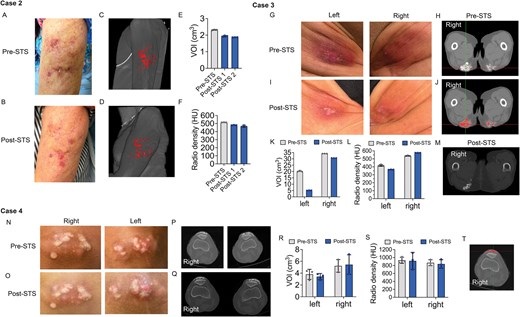
- Imaging Tool Quantifies Calcinosis Cutis Volume to Monitor Treatment
- Digital Symptom Monitoring Supports More Personalized Breast Cancer Care
- Short Digital Training Program Improves Motor Function in Parkinson’s Disease
- New Cloud Platform Streamlines Capsule Endoscopy Workflow and Reporting
- AI Tools Show Potential to Detect Subtle Signs of Interval Breast Cancer
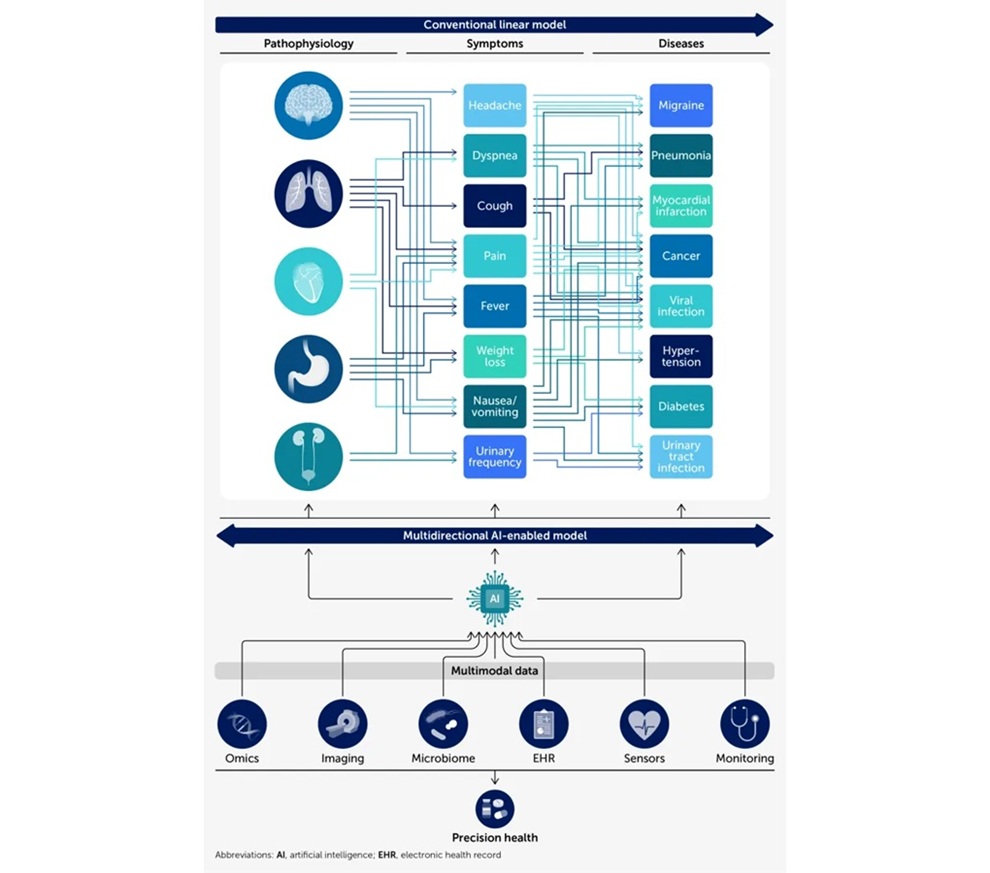
- AI Framework Aims to Turn Medical Care from Reactive to Preventive
- AI Model Predicts Indwelling Catheter Use After Spinal Cord Injury
- AI Tool Uses Mammograms to Detect Common Cardiovascular Diseases
- AI Tool Predicts Post-Heart Attack Trajectories to Personalize Follow-Up
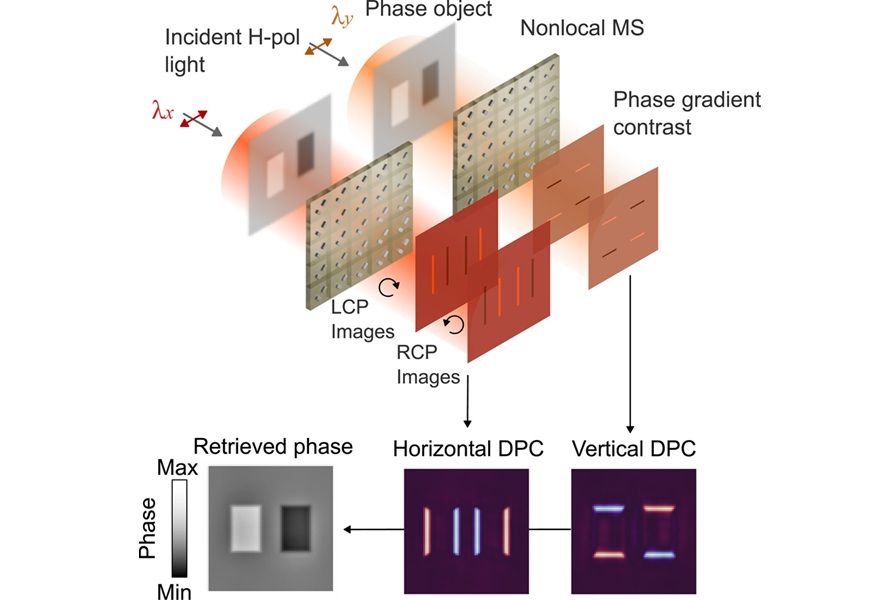
- Ultrathin Metasurface Could Bring Quantitative Phase Imaging to Portable Devices
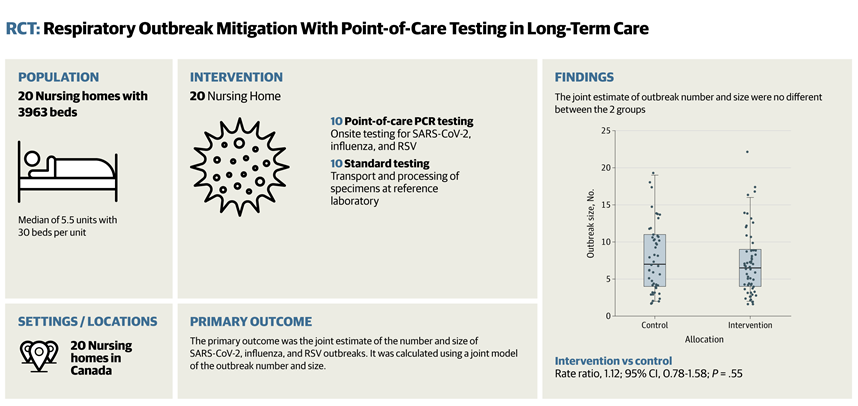
- Rapid Onsite Testing Reduces Emergency Department Transfers in Long-Term Care
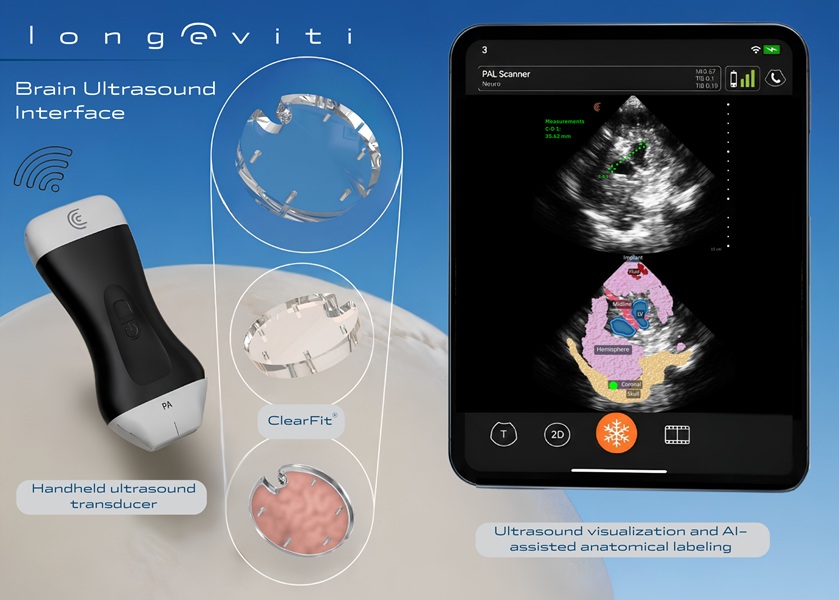
- New Brain Ultrasound Platform Enables Bedside Postoperative Imaging
- Handheld Ultrasound Expands Point-of-Care Imaging Access in Brazil
- AI Dermatology Platform Targets Early Detection of Non-Melanoma Skin Cancer
 Expo
Expo
- Octopus-Inspired Patch Improves Adhesion for Transdermal Drug Delivery
- Multimodal AI System Tracks Early Warning Signs of Mental Health Crisis
- Self-Folding Paper Sensor Conforms to Body Without Straps or Adhesives
- Patch-Based Therapy Promotes Myelin Repair in Multiple Sclerosis
- Remote Cardiac Device Monitoring System Shows Safety and Cost Benefits
- Integrated Perioperative Care Model Improves Recovery in Older Surgical Patients
- Integrated PET/MRI and EEG Improves Presurgical Lesion Localization in Pediatric Focal Epilepsy
- New Transvaginal Transducer Improves Imaging for Gynecology and Early Obstetrics
- Mobile 3-in-1 Imaging System Advances Intraoperative Navigation
- First Thyroid Cancer-Specific Anxiety Scale Supports Patient-Centered Care
- Weighted Blankets Reduce Anxiety in Hospitalized Adults
- Multicenter Study Quantifies Delays in Care for Emergency Department Boarders
- Real-Time Radiation Monitor Supports Safer Fluoroscopy-Guided Procedures
- FDA-Cleared Finger Cuff Device Enables Home Blood Pressure Monitoring
- AI Avatar Doctor Improves Patient Understanding Before Radiotherapy
- AI Imaging Model Predicts Five-Year Breast Cancer Risk from 3D Mammograms
- Spleen Imaging Signatures May Reveal Hidden Coronary Artery Disease Risk
- FDA Clears Automated Musculoskeletal Ultrasound Platform for Arthritis Assessment
- Automated Platform Converts Super-Resolution Ultrasound into Vascular Biomarkers
- Targeted PET/MRI Improves Detection and Preoperative Mapping of Endometriosis
- Smartphone-Integrated Epinephrine Auto-Injector Concept Wins Red Dot Design Award
- First U.S. Commercial Cases Demonstrate New Approach to Transseptal Access
- FDA Approval Clears Path for BCI Integration with Personal Computing Devices
- Partnership Advances AI Tool for Predicting Malignant Cerebral Edema
- Philips and Imricor Collaboration Advances MRI-Guided Cardiac Procedures
- Nurse-Coordinated Care Model Improves Heart Failure Outcomes
- Imaging Tool Quantifies Calcinosis Cutis Volume to Monitor Treatment
- Digital Symptom Monitoring Supports More Personalized Breast Cancer Care
- Short Digital Training Program Improves Motor Function in Parkinson’s Disease
- New Cloud Platform Streamlines Capsule Endoscopy Workflow and Reporting
- AI Tools Show Potential to Detect Subtle Signs of Interval Breast Cancer
- AI Framework Aims to Turn Medical Care from Reactive to Preventive
- AI Model Predicts Indwelling Catheter Use After Spinal Cord Injury
- AI Tool Uses Mammograms to Detect Common Cardiovascular Diseases
- AI Tool Predicts Post-Heart Attack Trajectories to Personalize Follow-Up
- Ultrathin Metasurface Could Bring Quantitative Phase Imaging to Portable Devices
- Rapid Onsite Testing Reduces Emergency Department Transfers in Long-Term Care
- New Brain Ultrasound Platform Enables Bedside Postoperative Imaging
- Handheld Ultrasound Expands Point-of-Care Imaging Access in Brazil
- AI Dermatology Platform Targets Early Detection of Non-Melanoma Skin Cancer
































 Client Login