





Expo
view channel
view channel
view channel
view channel
view channel
view channel
view channel
view channel
Critical CareSurgical TechniquesPatient CareMedical ImagingHealth ITPoint of CareBusiness
Events
Webinars

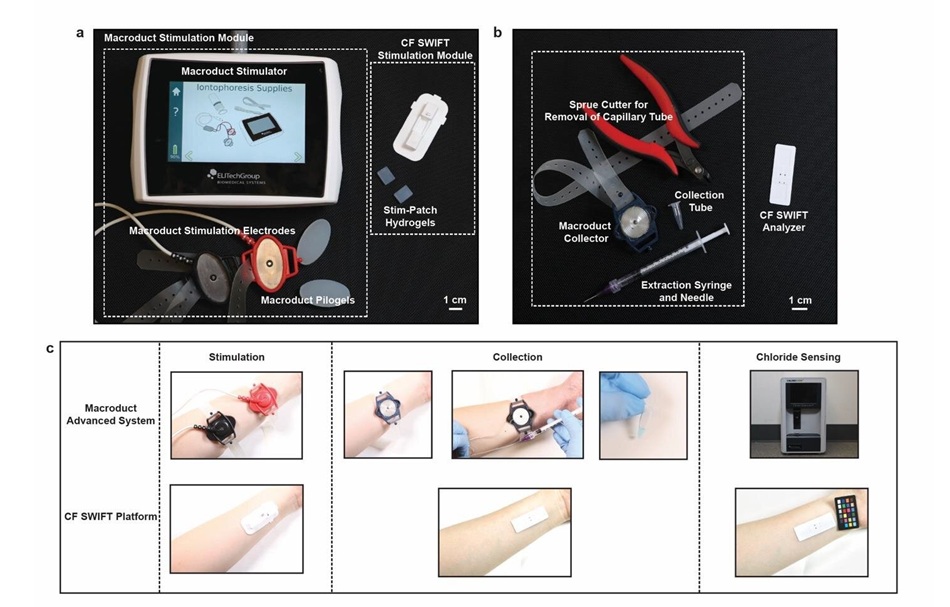
- Wearable Sweat Test Simplifies Cystic Fibrosis Diagnosis
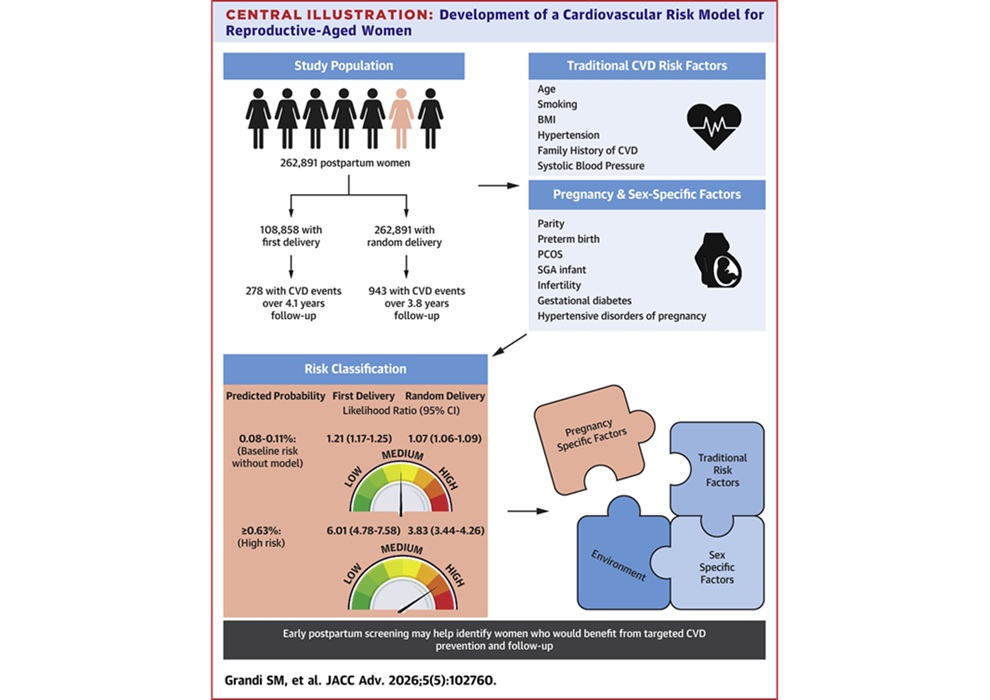
- New Risk Calculator Identifies Heart Disease Earlier in Postpartum Women
- Radiation-Free Cardiac Catheterization Improves Care for Children
- New Soft Optical Sensor Advances Heart and Brain Activity Mapping
- AI System Stabilizes Oxygen Levels More Reliably Than Standard Care
- New Light-Activated Platform Advances Glioblastoma Surgery and Postoperative Treatment
- Dual-Energy Mapping and Ablation Catheter Receives CE Mark for Ventricular Arrhythmias
- New Implant Provides Sustained Localized Therapy for Ovarian Cancer
- Combined Phage and Microbiota Therapy May Reduce Recurrent Urinary Tract Infections
- New AR Technology Provides Real-Time Guidance During ACL Surgery
- Wearable Sleep Data Predict Adherence to Pulmonary Rehabilitation
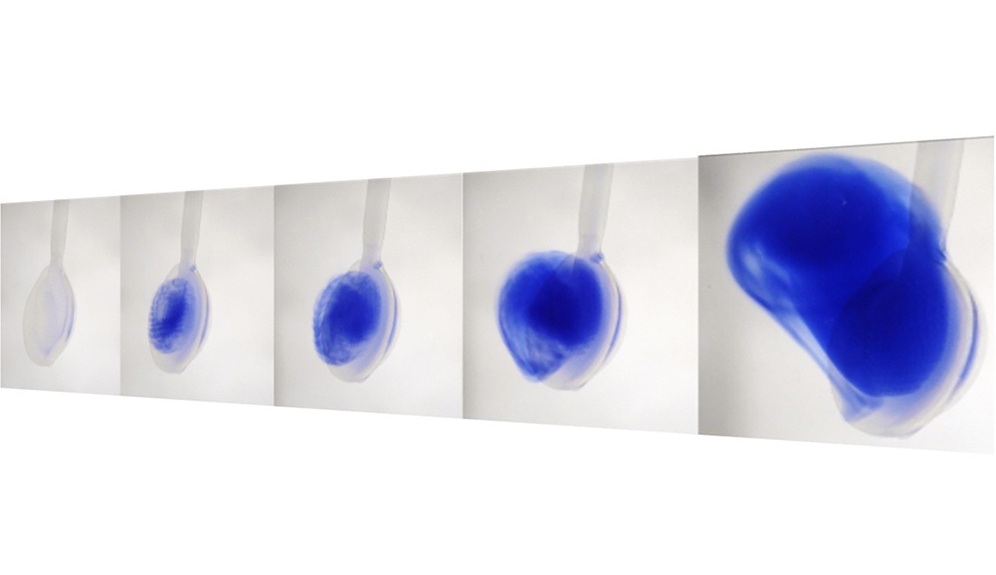
- Revolutionary Automatic IV-Line Flushing Device to Enhance Infusion Care
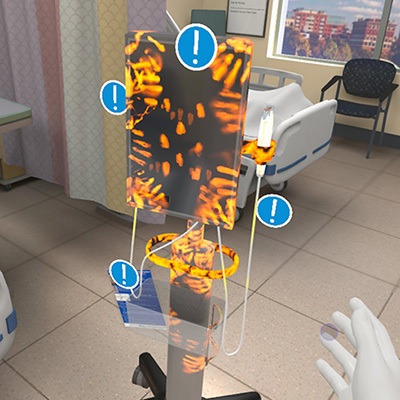
- VR Training Tool Combats Contamination of Portable Medical Equipment
- Portable Biosensor Platform to Reduce Hospital-Acquired Infections
- First-Of-Its-Kind Portable Germicidal Light Technology Disinfects High-Touch Clinical Surfaces in Seconds
- AI Accelerates Individualized Dosimetry for Prostate Cancer Treatment
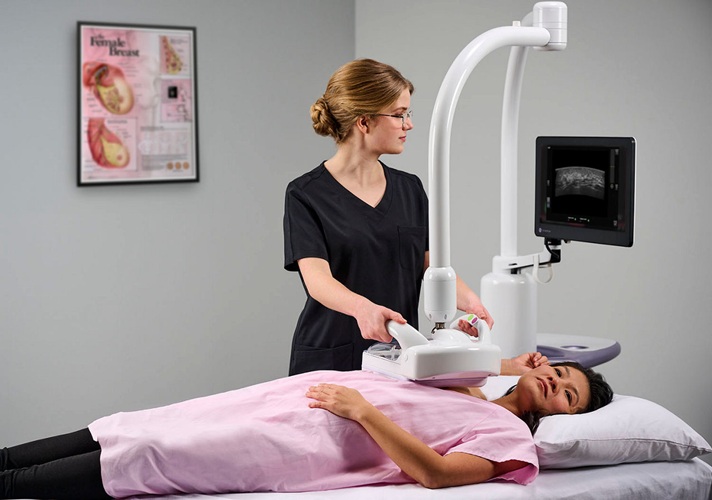
- Automated Breast Ultrasound Platform Improves Dense Breast Screening
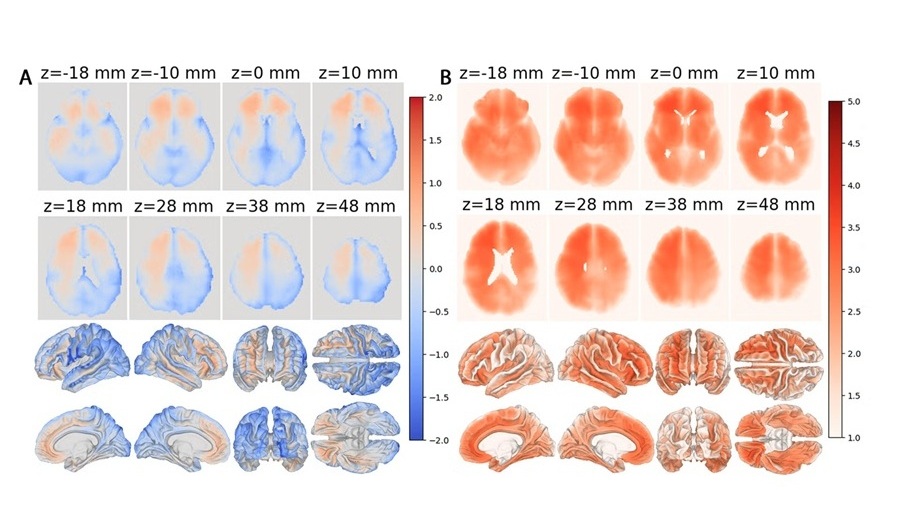
- ‘Local Brain Age’ AI Mapping Tool Reveals Patterns of Cognitive Impairment
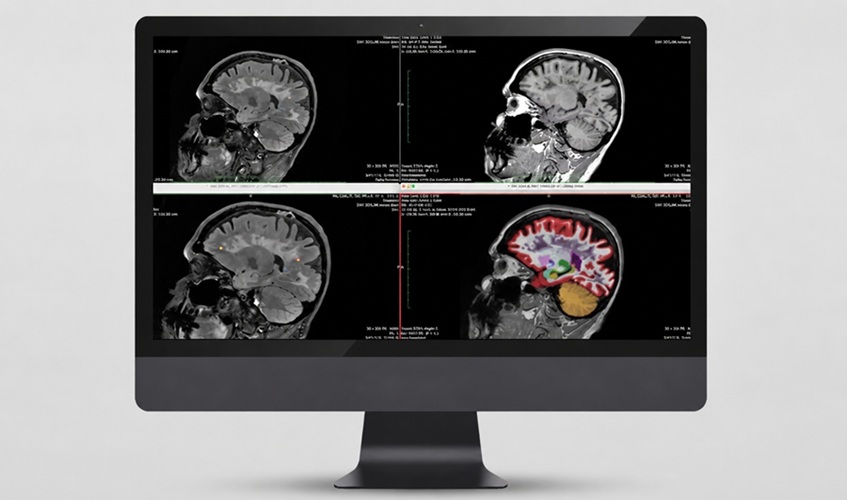
- Rapid AI System Detects and Classifies Brain Tumor Subtypes on MRI
- PET/CT Improves Diagnosis and Management of Fever of Unknown Origin
- AI Care Platform Adds Quantitative MRI Analysis for Multiple Sclerosis
- Danaher Completes Acquisition of Masimo to Expand Patient Monitoring Capabilities
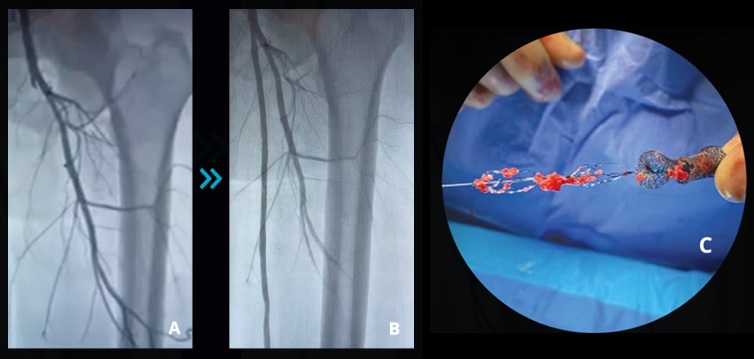
- Endologix Adds FDA-Cleared Peripheral Thrombectomy System
- Artivion Adds FDA-Approved NEXUS System to Aortic Arch Portfolio
- Olympus Partnership Aims to Expand Access to Robot-Assisted Endoscopic Therapy
- Short Digital Training Program Improves Motor Function in Parkinson’s Disease
- New Cloud Platform Streamlines Capsule Endoscopy Workflow and Reporting
- Smartwatch Monitoring Identifies Abnormal Vital Signs Before Routine Checks
- Weekly Remote Symptom Monitoring Improves Symptom Control in Advanced Cancer
- Digital Heart Model Supports Targeted Ablation in Atrial Fibrillation
- AI Improves Bronchoscopic Navigation to Difficult-to-Reach Lung Lesions
- Collaborative AI System Improves Medical Diagnostic Accuracy
- AI-Powered Brain-Body Interface Supports Movement and Sensation Recovery
- New AI Tool Identifies Support Needs in Spinal Cord Stimulation
- AI Tool Predicts Chronic Kidney Disease Risk in Diabetes
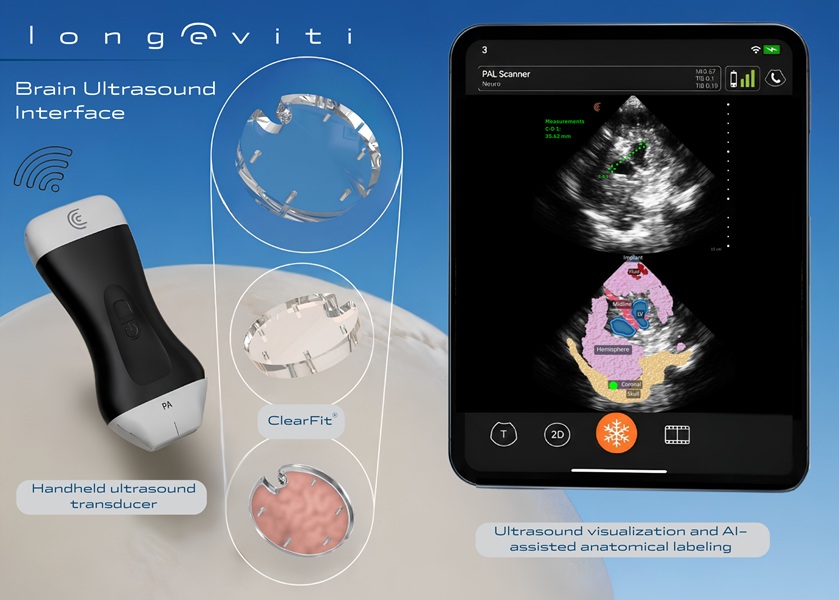
- New Brain Ultrasound Platform Enables Bedside Postoperative Imaging
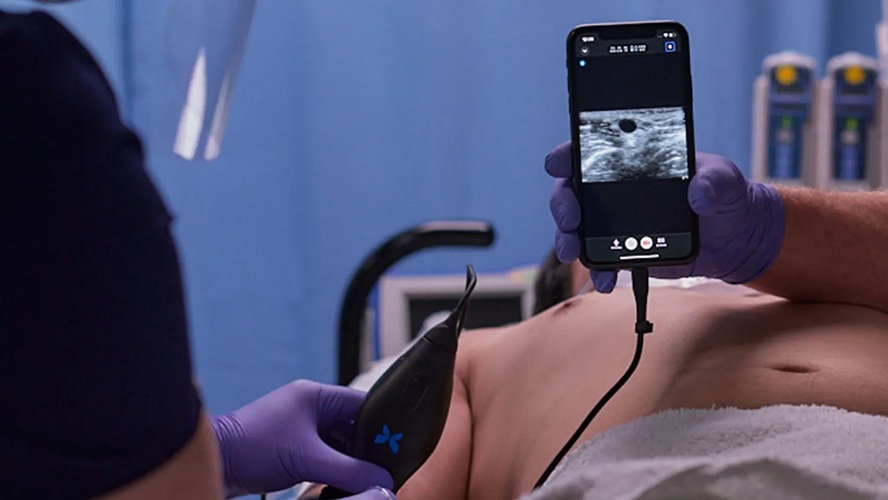
- Handheld Ultrasound Expands Point-of-Care Imaging Access in Brazil
- AI Dermatology Platform Targets Early Detection of Non-Melanoma Skin Cancer
- Handheld AI Device for Point-of-Care Skin Lesion Assessment Receives CE Mark
- Portable Immunoassay System Advances Toward Point-of-Care Biomarker Testing
 Expo
Expo
- Wearable Sweat Test Simplifies Cystic Fibrosis Diagnosis
- New Risk Calculator Identifies Heart Disease Earlier in Postpartum Women
- Radiation-Free Cardiac Catheterization Improves Care for Children
- New Soft Optical Sensor Advances Heart and Brain Activity Mapping
- AI System Stabilizes Oxygen Levels More Reliably Than Standard Care
- New Light-Activated Platform Advances Glioblastoma Surgery and Postoperative Treatment
- Dual-Energy Mapping and Ablation Catheter Receives CE Mark for Ventricular Arrhythmias
- New Implant Provides Sustained Localized Therapy for Ovarian Cancer
- Combined Phage and Microbiota Therapy May Reduce Recurrent Urinary Tract Infections
- New AR Technology Provides Real-Time Guidance During ACL Surgery
- Wearable Sleep Data Predict Adherence to Pulmonary Rehabilitation
- Revolutionary Automatic IV-Line Flushing Device to Enhance Infusion Care
- VR Training Tool Combats Contamination of Portable Medical Equipment
- Portable Biosensor Platform to Reduce Hospital-Acquired Infections
- First-Of-Its-Kind Portable Germicidal Light Technology Disinfects High-Touch Clinical Surfaces in Seconds
- AI Accelerates Individualized Dosimetry for Prostate Cancer Treatment
- Automated Breast Ultrasound Platform Improves Dense Breast Screening
- ‘Local Brain Age’ AI Mapping Tool Reveals Patterns of Cognitive Impairment
- Rapid AI System Detects and Classifies Brain Tumor Subtypes on MRI
- PET/CT Improves Diagnosis and Management of Fever of Unknown Origin
- AI Care Platform Adds Quantitative MRI Analysis for Multiple Sclerosis
- Danaher Completes Acquisition of Masimo to Expand Patient Monitoring Capabilities
- Endologix Adds FDA-Cleared Peripheral Thrombectomy System
- Artivion Adds FDA-Approved NEXUS System to Aortic Arch Portfolio
- Olympus Partnership Aims to Expand Access to Robot-Assisted Endoscopic Therapy
- Short Digital Training Program Improves Motor Function in Parkinson’s Disease
- New Cloud Platform Streamlines Capsule Endoscopy Workflow and Reporting
- Smartwatch Monitoring Identifies Abnormal Vital Signs Before Routine Checks
- Weekly Remote Symptom Monitoring Improves Symptom Control in Advanced Cancer
- Digital Heart Model Supports Targeted Ablation in Atrial Fibrillation
- AI Improves Bronchoscopic Navigation to Difficult-to-Reach Lung Lesions
- Collaborative AI System Improves Medical Diagnostic Accuracy
- AI-Powered Brain-Body Interface Supports Movement and Sensation Recovery
- New AI Tool Identifies Support Needs in Spinal Cord Stimulation
- AI Tool Predicts Chronic Kidney Disease Risk in Diabetes
- New Brain Ultrasound Platform Enables Bedside Postoperative Imaging
- Handheld Ultrasound Expands Point-of-Care Imaging Access in Brazil
- AI Dermatology Platform Targets Early Detection of Non-Melanoma Skin Cancer
- Handheld AI Device for Point-of-Care Skin Lesion Assessment Receives CE Mark
- Portable Immunoassay System Advances Toward Point-of-Care Biomarker Testing































 Client Login