





Expo
view channel
view channel
view channel
view channel
Medical Imaging
AI
Surgical TechniquesPatient CareHealth ITPoint of CareBusiness
Events
Webinars

- AI Turns Glucose Data Into Actionable Insights for Diabetes Care
- 4D Digital Twin Heart Model Improves CRT Outcomes
- Microscale Wireless Implant Tracks Brain Activity Over Time
- CGM-Based Algorithm Enhances Insulin Dose Adjustment in Type 2 Diabetes
- Smart Mask Delivers Continuous, Battery-Free Breath Monitoring
- Handheld Robotic System Expands Options for Total Knee Surgery
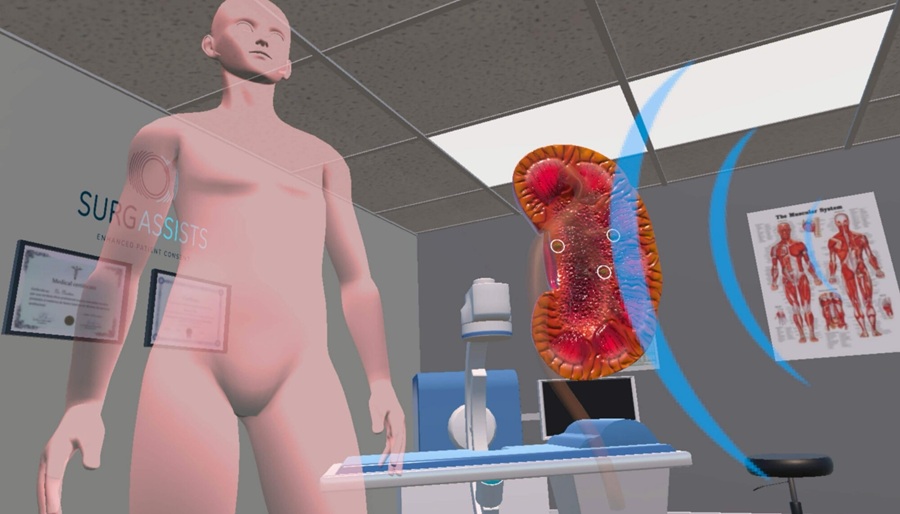
- VR Experience Reduces Patient Anxiety Before Kidney Stone Procedure
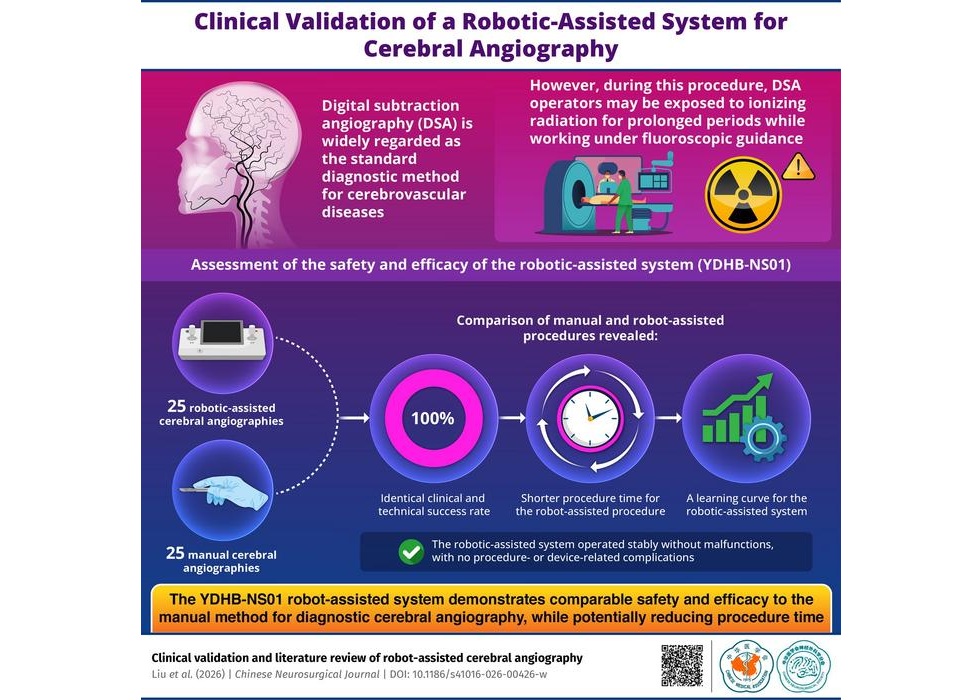
- Robot-Assisted Brain Angiography Improves Procedural Outcomes
- Brain Mapping Technology Enhances Precision in Brain Tumor Resection
- Injectable Mini Livers Offer Hope for Patients Awaiting Transplant
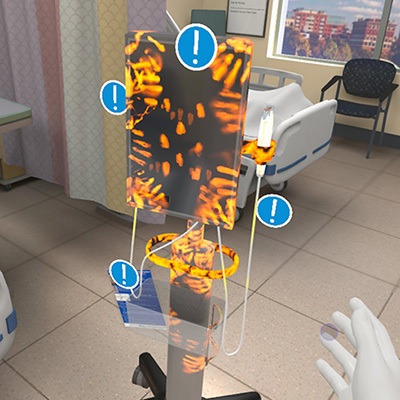
- VR Training Tool Combats Contamination of Portable Medical Equipment
- Portable Biosensor Platform to Reduce Hospital-Acquired Infections
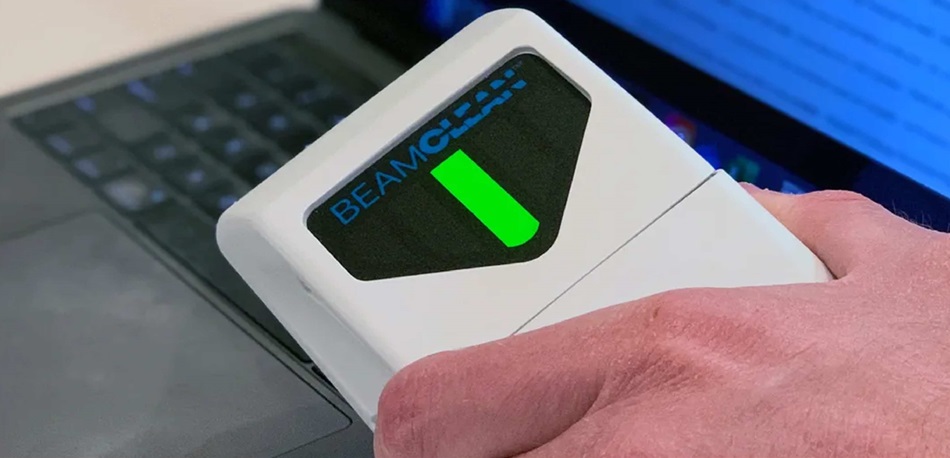
- First-Of-Its-Kind Portable Germicidal Light Technology Disinfects High-Touch Clinical Surfaces in Seconds
- Surgical Capacity Optimization Solution Helps Hospitals Boost OR Utilization
- Game-Changing Innovation in Surgical Instrument Sterilization Significantly Improves OR Throughput
- Quantum Surgical Acquires NeuWave from Johnson & Johnson
- Medtronic to Acquire Coronary Artery Medtech Company CathWorks
- Medtronic and Mindray Expand Strategic Partnership to Ambulatory Surgery Centers in the U.S.
- FDA Clearance Expands Robotic Options for Minimally Invasive Heart Surgery
- WHX in Dubai (formerly Arab Health) to debut specialised Biotech & Life Sciences Zone as sector growth accelerates globally
 Expo
Expo
- AI Turns Glucose Data Into Actionable Insights for Diabetes Care
- 4D Digital Twin Heart Model Improves CRT Outcomes
- Microscale Wireless Implant Tracks Brain Activity Over Time
- CGM-Based Algorithm Enhances Insulin Dose Adjustment in Type 2 Diabetes
- Smart Mask Delivers Continuous, Battery-Free Breath Monitoring
- Handheld Robotic System Expands Options for Total Knee Surgery
- VR Experience Reduces Patient Anxiety Before Kidney Stone Procedure
- Robot-Assisted Brain Angiography Improves Procedural Outcomes
- Brain Mapping Technology Enhances Precision in Brain Tumor Resection
- Injectable Mini Livers Offer Hope for Patients Awaiting Transplant
- VR Training Tool Combats Contamination of Portable Medical Equipment
- Portable Biosensor Platform to Reduce Hospital-Acquired Infections
- First-Of-Its-Kind Portable Germicidal Light Technology Disinfects High-Touch Clinical Surfaces in Seconds
- Surgical Capacity Optimization Solution Helps Hospitals Boost OR Utilization
- Game-Changing Innovation in Surgical Instrument Sterilization Significantly Improves OR Throughput
- Quantum Surgical Acquires NeuWave from Johnson & Johnson
- Medtronic to Acquire Coronary Artery Medtech Company CathWorks
- Medtronic and Mindray Expand Strategic Partnership to Ambulatory Surgery Centers in the U.S.
- FDA Clearance Expands Robotic Options for Minimally Invasive Heart Surgery
- WHX in Dubai (formerly Arab Health) to debut specialised Biotech & Life Sciences Zone as sector growth accelerates globally

































 Client Login