




Expo
view channel
view channel
view channel
view channel
view channel
view channel
view channel
Medical Imaging
AICritical Care
Patient CareHealth ITPoint of CareBusiness
Events
Webinars

- Multi-Night Home Monitoring Reduces Sleep Apnea Misdiagnosis
- FDA Breakthrough Device Targets Brain Hemorrhage Complications
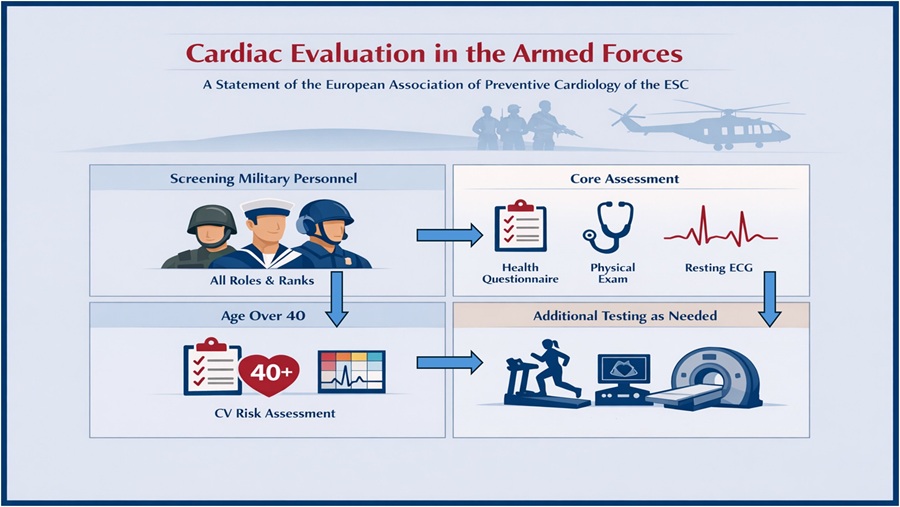
- ECG-Based Screening Framework Aims to Standardize Cardiac Evaluation in Military Personnel
- RFA Device Gains FDA Clearance for Minimally Invasive Thyroid Nodule Ablation
- Inhaled Analgesic Matches Morphine for Prehospital Trauma Pain
- Nerve Block Technique Reduces Opioid Use After Cardiac Surgery
- New Bone Graft Material Targets Residual Cancer and Resists Infection
- New Catheter Delivers RF and Pulsed Field Ablation Through One Device
- New Access Platform Aims to Expand Minimally Invasive Spine Surgery
- Dual-Mobility Hip Implant Cuts Postoperative Dislocations
- Wearable Sleep Data Predict Adherence to Pulmonary Rehabilitation
- Revolutionary Automatic IV-Line Flushing Device to Enhance Infusion Care
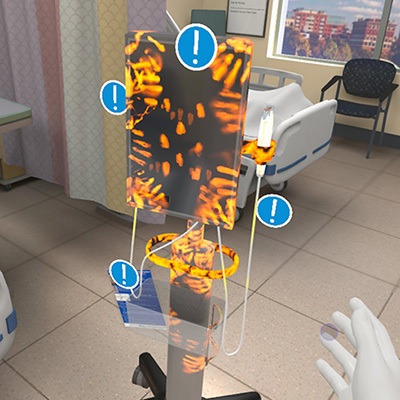
- VR Training Tool Combats Contamination of Portable Medical Equipment
- Portable Biosensor Platform to Reduce Hospital-Acquired Infections
- First-Of-Its-Kind Portable Germicidal Light Technology Disinfects High-Touch Clinical Surfaces in Seconds
- Endologix Adds FDA-Cleared Peripheral Thrombectomy System
- Artivion Adds FDA-Approved NEXUS System to Aortic Arch Portfolio
- Olympus Partnership Aims to Expand Access to Robot-Assisted Endoscopic Therapy
- Johnson & Johnson Launches AI-Driven Cardiac Mapping System
- Proximie Advances AI-Driven Intelligent Operating Rooms with NVIDIA Collaboration
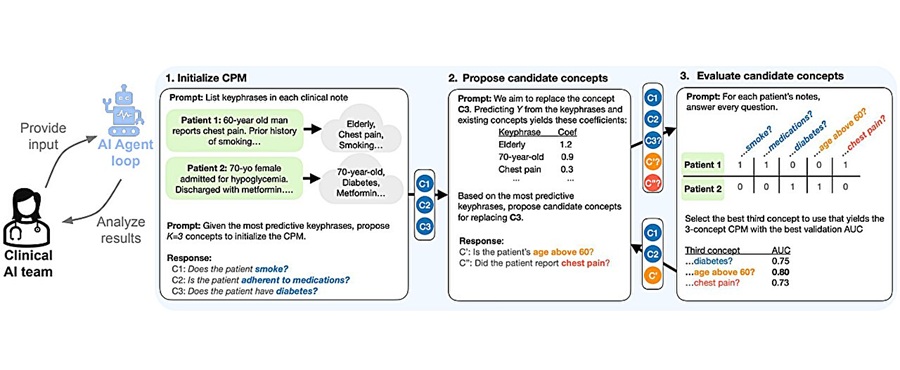
- AI Framework Helps Clinicians Create Trustworthy Risk Prediction Tools
- AI Tool Screens for Primary Aldosteronism Using Routine EHR Data
- AI-Enabled ECG Software Predicts One-Year Atrial Fibrillation Risk
- AI-Native EHR Achieves EU Medical Device Certification
- EHR-Integrated Screening Workflow Detects Cognitive Impairment at Admission
- AI Trends Report Guides Responsible, Effective Healthcare Deployment
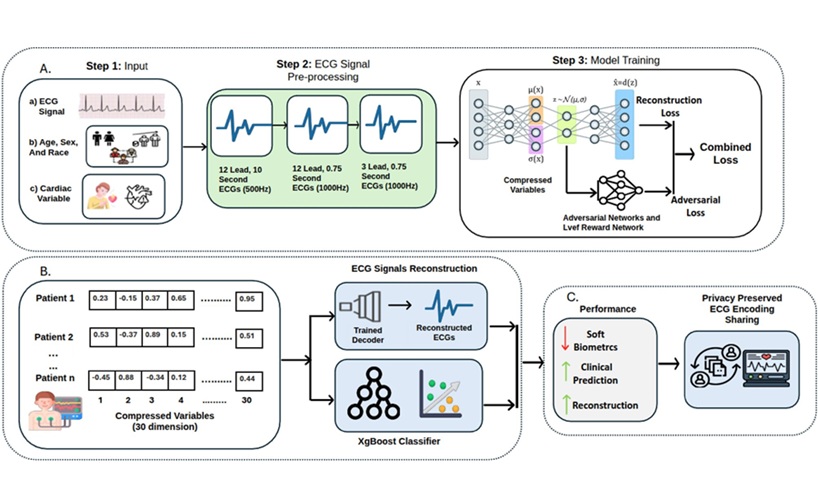
- Privacy-Preserving AI Protects Sensitive Information in ECG Data
- New AI ECG Tool Detects Early Heart Disease
- AI Platform Supports Noninvasive Remote Hemodynamic Monitoring in Heart Failure
- AI Tool Predicts Unplanned Care and Symptom Burden in Cancer Survivors
- Handheld Ultrasound Expands Point-of-Care Imaging Access in Brazil
- AI Dermatology Platform Targets Early Detection of Non-Melanoma Skin Cancer
- Handheld AI Device for Point-of-Care Skin Lesion Assessment Receives CE Mark
- Portable Immunoassay System Advances Toward Point-of-Care Biomarker Testing
- Portable MRI System Accelerates Emergency Brain Imaging and Triage
 Expo
Expo
- Multi-Night Home Monitoring Reduces Sleep Apnea Misdiagnosis
- FDA Breakthrough Device Targets Brain Hemorrhage Complications
- ECG-Based Screening Framework Aims to Standardize Cardiac Evaluation in Military Personnel
- RFA Device Gains FDA Clearance for Minimally Invasive Thyroid Nodule Ablation
- Inhaled Analgesic Matches Morphine for Prehospital Trauma Pain
- Nerve Block Technique Reduces Opioid Use After Cardiac Surgery
- New Bone Graft Material Targets Residual Cancer and Resists Infection
- New Catheter Delivers RF and Pulsed Field Ablation Through One Device
- New Access Platform Aims to Expand Minimally Invasive Spine Surgery
- Dual-Mobility Hip Implant Cuts Postoperative Dislocations
- Wearable Sleep Data Predict Adherence to Pulmonary Rehabilitation
- Revolutionary Automatic IV-Line Flushing Device to Enhance Infusion Care
- VR Training Tool Combats Contamination of Portable Medical Equipment
- Portable Biosensor Platform to Reduce Hospital-Acquired Infections
- First-Of-Its-Kind Portable Germicidal Light Technology Disinfects High-Touch Clinical Surfaces in Seconds
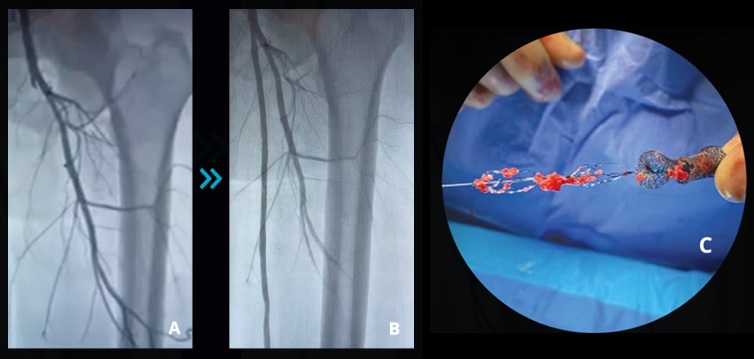
- Endologix Adds FDA-Cleared Peripheral Thrombectomy System
- Artivion Adds FDA-Approved NEXUS System to Aortic Arch Portfolio
- Olympus Partnership Aims to Expand Access to Robot-Assisted Endoscopic Therapy
- Johnson & Johnson Launches AI-Driven Cardiac Mapping System
- Proximie Advances AI-Driven Intelligent Operating Rooms with NVIDIA Collaboration
- AI Framework Helps Clinicians Create Trustworthy Risk Prediction Tools
- AI Tool Screens for Primary Aldosteronism Using Routine EHR Data
- AI-Enabled ECG Software Predicts One-Year Atrial Fibrillation Risk
- AI-Native EHR Achieves EU Medical Device Certification
- EHR-Integrated Screening Workflow Detects Cognitive Impairment at Admission
- AI Trends Report Guides Responsible, Effective Healthcare Deployment
- Privacy-Preserving AI Protects Sensitive Information in ECG Data
- New AI ECG Tool Detects Early Heart Disease
- AI Platform Supports Noninvasive Remote Hemodynamic Monitoring in Heart Failure
- AI Tool Predicts Unplanned Care and Symptom Burden in Cancer Survivors
- Handheld Ultrasound Expands Point-of-Care Imaging Access in Brazil
- AI Dermatology Platform Targets Early Detection of Non-Melanoma Skin Cancer
- Handheld AI Device for Point-of-Care Skin Lesion Assessment Receives CE Mark
- Portable Immunoassay System Advances Toward Point-of-Care Biomarker Testing
- Portable MRI System Accelerates Emergency Brain Imaging and Triage






























 Client Login