





Expo
view channel
view channel
view channel
view channel
Medical Imaging
AICritical Care
Patient CareHealth ITPoint of CareBusiness
Events
Webinars

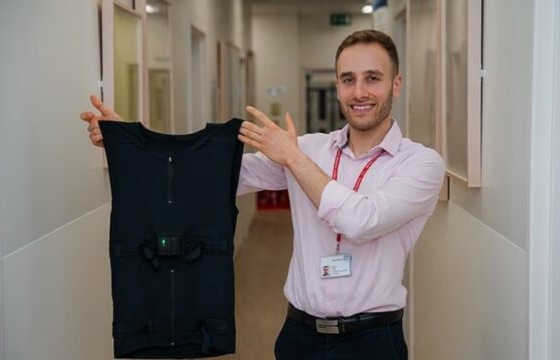
- Smart T-Shirt Uses AI to Enhance Detection of Heart Rhythm Disorders
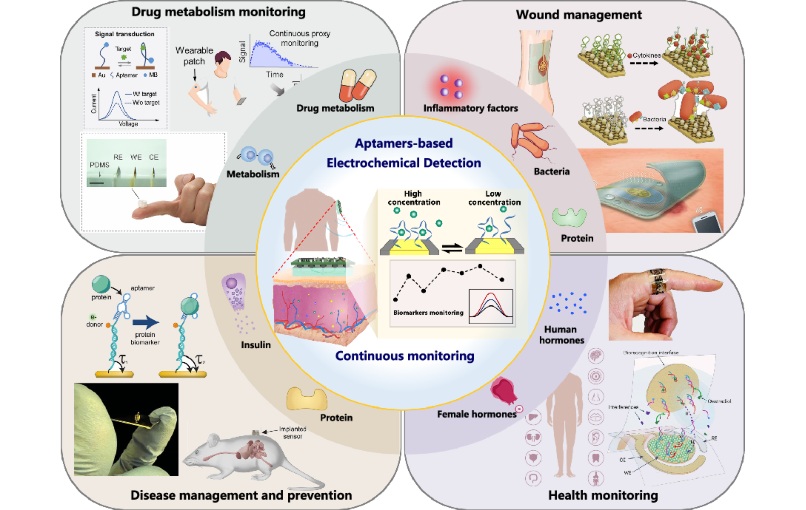
- Aptamers Enable Real-Time Biomarker Tracking Without Blood Draws
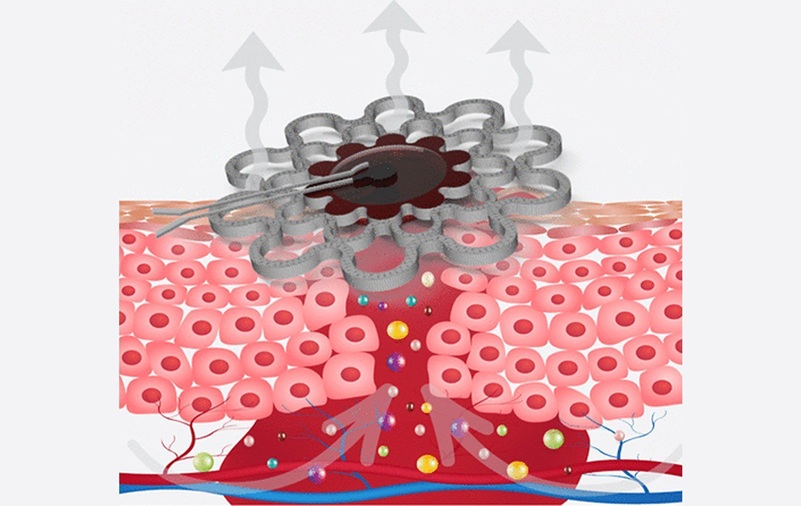
- Specialized Dressing with Sensor Monitors pH Levels in Chronic Wounds
- AI Model Could Help Diagnose Spinal Cord Disease Up To 30 Months Earlier
- 3D-Printed Swallowable Robot Could Perform Gastrointestinal Procedures
- Skull Implant Design Could Shape Surgical Outcomes
- Redesigned Surgical Laser Cuts Bone Deeper and Faster Than Before
- Laser Ablation Plus Immunotherapy Improves Survival in Recurrent Glioblastoma
- New Method Offers Less Invasive Detection of Susceptibility to Rare Anesthesia Reaction
- Brain Implant Records Neural Signals and Delivers Precise Medication
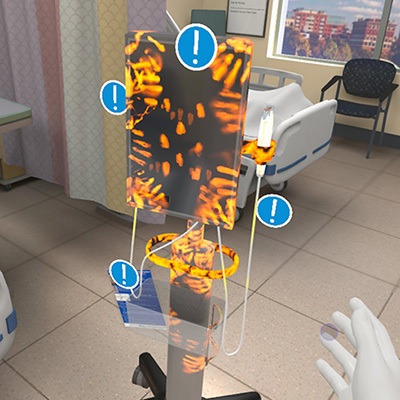
- VR Training Tool Combats Contamination of Portable Medical Equipment
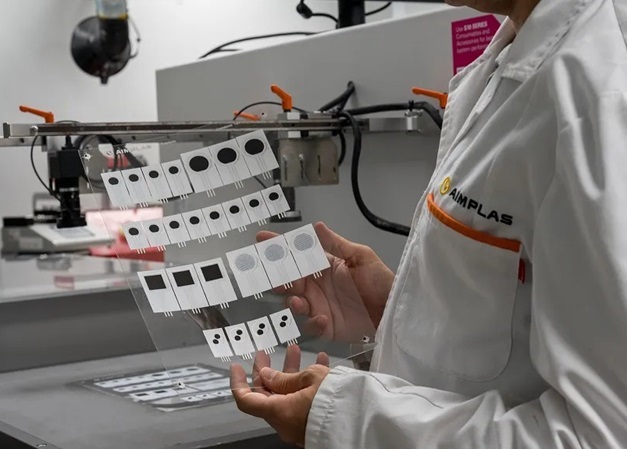
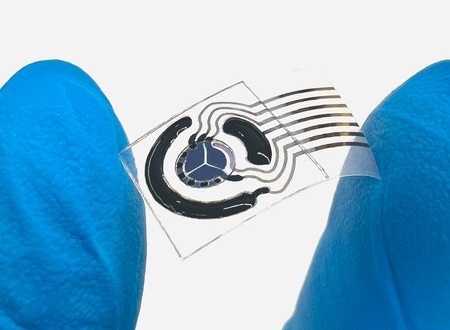
- Portable Biosensor Platform to Reduce Hospital-Acquired Infections
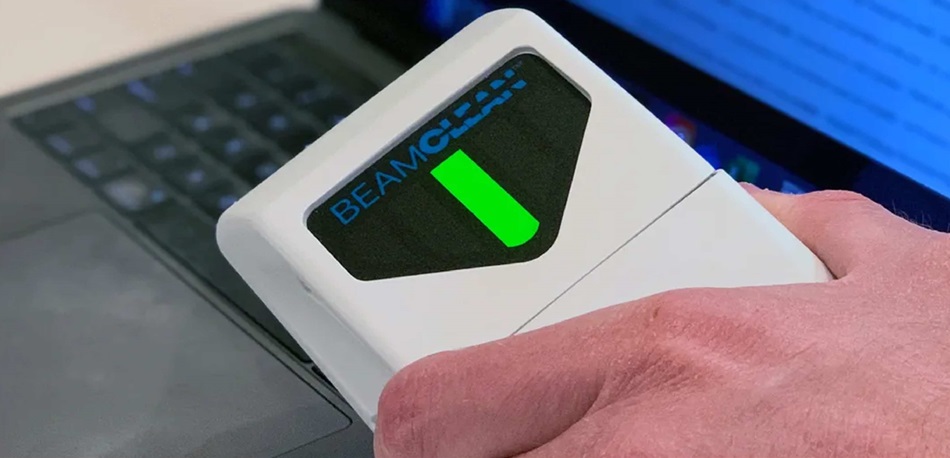
- First-Of-Its-Kind Portable Germicidal Light Technology Disinfects High-Touch Clinical Surfaces in Seconds
- Surgical Capacity Optimization Solution Helps Hospitals Boost OR Utilization
- Game-Changing Innovation in Surgical Instrument Sterilization Significantly Improves OR Throughput
- Medtronic and Mindray Expand Strategic Partnership to Ambulatory Surgery Centers in the U.S.
- FDA Clearance Expands Robotic Options for Minimally Invasive Heart Surgery
- WHX in Dubai (formerly Arab Health) to debut specialised Biotech & Life Sciences Zone as sector growth accelerates globally
- WHX in Dubai (formerly Arab Health) to bring together key UAE government entities during the groundbreaking 2026 edition
- Interoperability Push Fuels Surge in Healthcare IT Market
 Expo
Expo
- Smart T-Shirt Uses AI to Enhance Detection of Heart Rhythm Disorders
- Aptamers Enable Real-Time Biomarker Tracking Without Blood Draws
- Specialized Dressing with Sensor Monitors pH Levels in Chronic Wounds
- AI Model Could Help Diagnose Spinal Cord Disease Up To 30 Months Earlier
- 3D-Printed Swallowable Robot Could Perform Gastrointestinal Procedures
- Skull Implant Design Could Shape Surgical Outcomes
- Redesigned Surgical Laser Cuts Bone Deeper and Faster Than Before
- Laser Ablation Plus Immunotherapy Improves Survival in Recurrent Glioblastoma
- New Method Offers Less Invasive Detection of Susceptibility to Rare Anesthesia Reaction
- Brain Implant Records Neural Signals and Delivers Precise Medication
- VR Training Tool Combats Contamination of Portable Medical Equipment
- Portable Biosensor Platform to Reduce Hospital-Acquired Infections
- First-Of-Its-Kind Portable Germicidal Light Technology Disinfects High-Touch Clinical Surfaces in Seconds
- Surgical Capacity Optimization Solution Helps Hospitals Boost OR Utilization
- Game-Changing Innovation in Surgical Instrument Sterilization Significantly Improves OR Throughput
- Medtronic and Mindray Expand Strategic Partnership to Ambulatory Surgery Centers in the U.S.
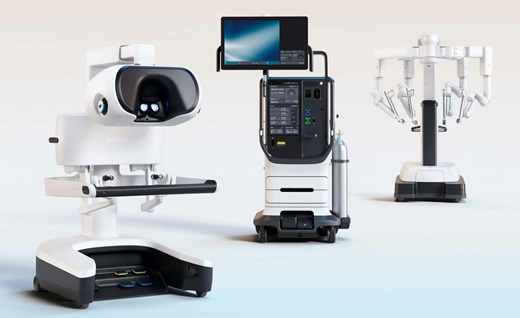
- FDA Clearance Expands Robotic Options for Minimally Invasive Heart Surgery
- WHX in Dubai (formerly Arab Health) to debut specialised Biotech & Life Sciences Zone as sector growth accelerates globally
- WHX in Dubai (formerly Arab Health) to bring together key UAE government entities during the groundbreaking 2026 edition
- Interoperability Push Fuels Surge in Healthcare IT Market





























 Client Login